Begin typing to search, when autocomplete results are available use up and down arrows to review and enter to select. Selecting an options will take you to a new page. Touch device users, explore by touch.SEARCH
Search within a riding style, select an optionBegin typing to search, when autocomplete results are available use up and down arrows to review and enter to select. Selecting an options will take you to a new page. Touch device users, explore by touch.
Free shipping on orders over $79 to Illinois
Orders over $79.00 will receive free shipping. This is a residential delivery service, deliveries Monday through Friday from 9:00am to 8:00pm.
What should cruiser riders prioritize when choosing lights and electrical upgrades?
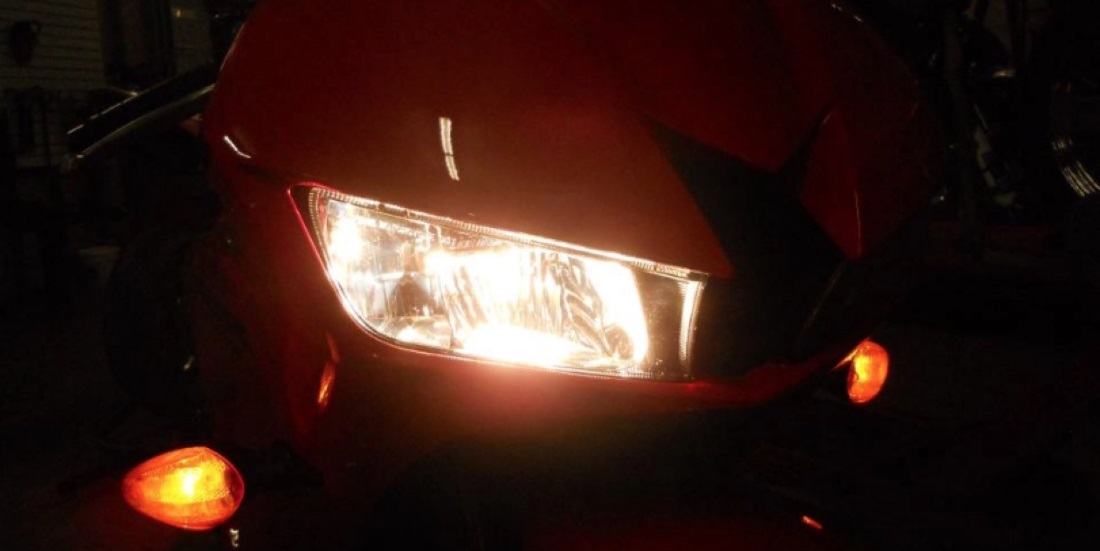
Prioritize brightness (lumens), the right beam pattern, and a 5000K–6000K color temperature for clear night visibility. Confirm vehicle compatibility, waterproof/dustproof ratings (IP67/IP68), and match the setup to your riding style and local laws.
Which beam pattern and color temperature work best for city, highway, and bad weather?
For highway, use spot or combo beams; for city or backroads, a wider flood or adjustable beam helps see peripherals and corners. Use 5000K–6000K for crisp night vision, and slightly warmer tones to cut glare in rain or fog. Consider adaptive cornering lights for smoother visibility in sweeping turns.
Are LED headlights and signals a good upgrade for cruisers?
Yes—LEDs deliver high output with lower power draw, long life, and strong vibration resistance. Check wattage/voltage compatibility and choose plug-and-play options to avoid wiring modifications.
How do I choose durable lighting for all‑weather cruising or occasional gravel roads?
Look for sealed aluminum housings with IP67/IP68 protection to handle rain, dust, and temperature swings. Adjustable mounts help aim beams for paved roads and light gravel while staying glare‑free for oncoming traffic.
Any install and maintenance tips when adding auxiliary or accent lighting to a cruiser?
Use model‑specific mounts to clear fairings, bags, and crash bars, and keep wiring tidy with proper relays or resistors where needed. After install, check aim, connections, and lens seals periodically, and keep lenses clean for maximum output.