Begin typing to search, when autocomplete results are available use up and down arrows to review and enter to select. Selecting an options will take you to a new page. Touch device users, explore by touch.SEARCH
Search within a riding style, select an optionBegin typing to search, when autocomplete results are available use up and down arrows to review and enter to select. Selecting an options will take you to a new page. Touch device users, explore by touch.
Free shipping on orders over $79 to Illinois
Orders over $79.00 will receive free shipping. This is a residential delivery service, deliveries Monday through Friday from 9:00am to 8:00pm.
What key specifications should I prioritize when selecting a lead-acid battery for a cruiser?
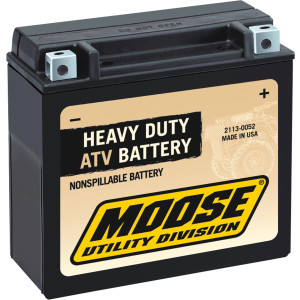
Prioritize compatibility with your cruiser’s make and model by confirming size, terminal layout, and standard motorcycle voltage, then choose sufficient capacity for accessories and a higher cold-start rating for chilly conditions, while favoring vibration and heat resistance for long highway cruising.
How do flooded and sealed AGM lead-acid batteries differ for cruiser use?
Flooded batteries offer lower upfront cost and higher capacity options but require periodic fluid checks and carry spill risk, while sealed AGM batteries are maintenance-free, vibration-resistant, and better suited to all-weather cruiser use.
How should my riding style and onboard electronics affect battery choice?
If you tour or run lots of lights and accessories, pick a higher-capacity, maintenance-free sealed battery; occasional riders can opt for conventional units if they’re willing to perform upkeep and occasional charging.
Which durability features matter most for cruisers riding in hot, humid, or wet conditions?
Look for heat-tolerant construction, strong vibration resistance, and a sealed design for wet-weather exposure to preserve lifespan and reliability during long paved-road rides.
What installation and maintenance expectations should cruiser owners plan for?
Confirm terminal orientation and dimensions for straightforward installation and secure mounting to minimize vibration; sealed batteries need minimal upkeep but benefit from periodic charging during storage, while flooded types require routine fluid checks and cleaning.