Begin typing to search, when autocomplete results are available use up and down arrows to review and enter to select. Selecting an options will take you to a new page. Touch device users, explore by touch.SEARCH
Search within a riding style, select an optionBegin typing to search, when autocomplete results are available use up and down arrows to review and enter to select. Selecting an options will take you to a new page. Touch device users, explore by touch.
Free shipping on orders over $79 to Illinois
Orders over $79.00 will receive free shipping. This is a residential delivery service, deliveries Monday through Friday from 9:00am to 8:00pm.
What materials and construction should I prioritize for cruiser handlebar risers?
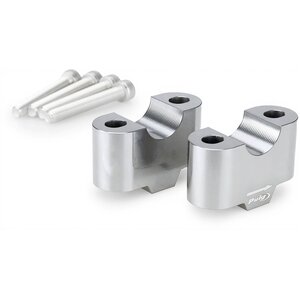
Look for billet or CNC-machined aluminum with a corrosion-resistant finish and a multi-bolt clamp for secure holding; these materials offer the best balance of strength, weight, and long-term durability.
How do different riser profiles affect comfort and handling on a cruiser?
Low-to-moderate rises improve rider posture and reduce back strain while preserving steering precision, whereas very tall rises shift weight and can reduce steering responsiveness and increase arm fatigue.
How do handlebar risers interact with other common cruiser modifications?
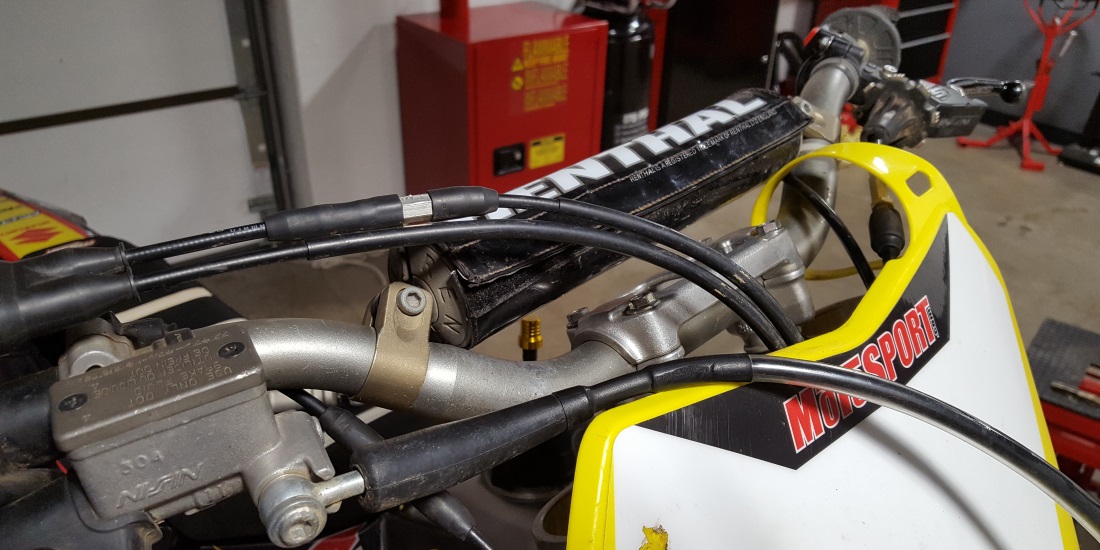
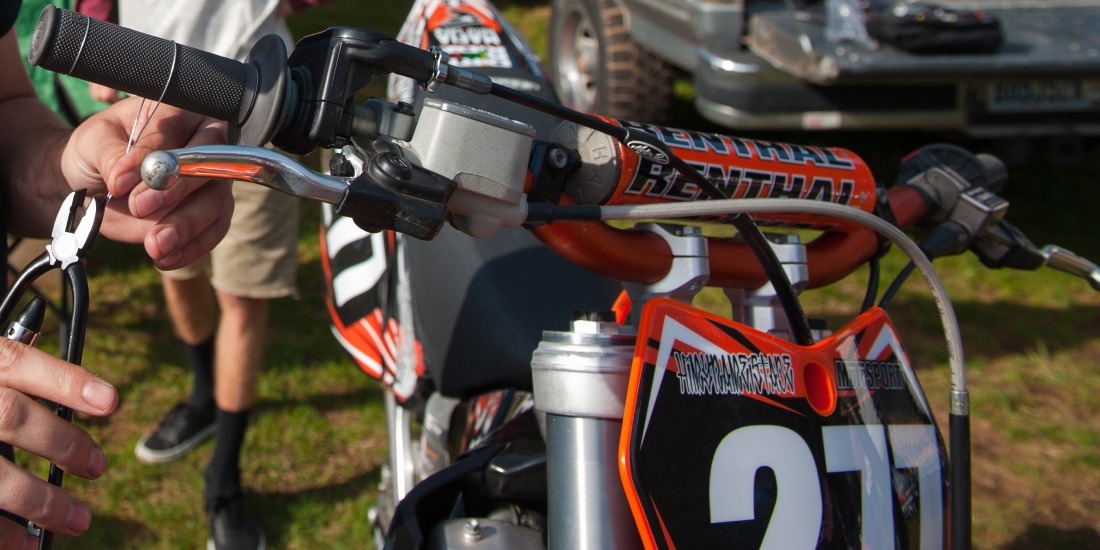
Higher risers often require adjustments to cable and hose routing, mirror placement, and control clearances, while clamp-style risers can make swaps and accessory changes easier.
What should I check during installation and regular inspection?
Ensure proper alignment and smooth steering through full travel, confirm there’s no binding or interference with cables or hoses, and routinely inspect clamps and fasteners for corrosion or looseness.
Which finishes and maintenance steps extend riser life in varied weather?
Choose anodized or powder-coated finishes for better corrosion resistance, keep mounting surfaces clean and dry, and address scratches or corrosion early to maintain fit and appearance.