Begin typing to search, when autocomplete results are available use up and down arrows to review and enter to select. Selecting an options will take you to a new page. Touch device users, explore by touch.SEARCH
Search within a riding style, select an optionBegin typing to search, when autocomplete results are available use up and down arrows to review and enter to select. Selecting an options will take you to a new page. Touch device users, explore by touch.
Free shipping on orders over $79 to Illinois
Orders over $79.00 will receive free shipping. This is a residential delivery service, deliveries Monday through Friday from 9:00am to 8:00pm.
What should I prioritize when choosing cruiser goggle lenses?
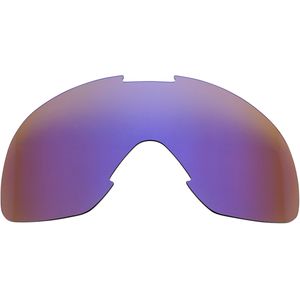
Prioritize lens color matched to your riding conditions, polycarbonate construction for impact resistance, anti-fog coatings, and an interchangeable or quick-release system for easy swaps during changing light and weather.
Why choose polycarbonate lenses for cruiser riding?
Polycarbonate lenses are the industry standard for shatterproof impact resistance and durability, outperforming acetate or acrylic options, and you should look for ANSI or ballistic-rated lenses for added eye protection.
Which lens colors work best for cruising on highways and urban roads?
Use gray/smoke or mirrored tints for bright sun and highway glare, amber/yellow for overcast or low-light rides, clear with anti-reflective coatings for night, and consider an interchangeable kit or photochromic option for mixed conditions.
Are interchangeable or photochromic lenses worth it for cruiser touring and commuting?
Yes — quick-release interchangeable sets let you swap gray, amber, and clear lenses on the fly for long rides, while photochromic lenses auto-adjust to changing light; avoid polarized for most rides if you rely on GPS screens.
How do coatings and fit affect cruiser goggle lens performance and maintenance?
Choose dual-sided anti-fog, hydrophobic outer coatings, and anti-reflective layers for glare reduction, pair lenses with multi-layer foam seals for wind and dust protection and helmet compatibility, and follow simple cleaning and storage practices while confirming replacement lens availability.