Begin typing to search, when autocomplete results are available use up and down arrows to review and enter to select. Selecting an options will take you to a new page. Touch device users, explore by touch.SEARCH
Search within a riding style, select an optionBegin typing to search, when autocomplete results are available use up and down arrows to review and enter to select. Selecting an options will take you to a new page. Touch device users, explore by touch.
Free shipping on orders over $79 to Illinois
Orders over $79.00 will receive free shipping. This is a residential delivery service, deliveries Monday through Friday from 9:00am to 8:00pm.
What should I prioritize when choosing cruiser exhaust tools and systems?
Match your bike’s year, make, model, and engine first. Aftermarket parts are built around stock cruisers and may need modifications or tuning—verify specs before you buy.
How do slip-ons vs full systems change the install for a cruiser?
Slip-ons replace only the muffler and typically install with basic exhaust tools, delivering quick sound and minor performance gains with minimal adjustments. Full systems run from headers to muffler, need more tooling and careful alignment, and often require fuel/ECU tuning—especially on V-Twins where 2-into-1 setups boost torque.
Which materials and construction details matter for cruiser exhaust durability?
Stainless and titanium resist corrosion for wet roads, while carbon fiber and aluminum cut weight but trade some impact durability. Favor mandrel bends, ceramic coatings, and replaceable baffles to improve flow, manage heat, and simplify future tuning.
How can I tailor sound and performance on a cruiser without overcomplicating the build?
Use tunable baffles, end caps, or torque cones to shape tone and throttle response, and consider 2-into-1 layouts for a deep V-Twin rumble. Always check local noise/emissions rules and evaluate changes with a short test ride.
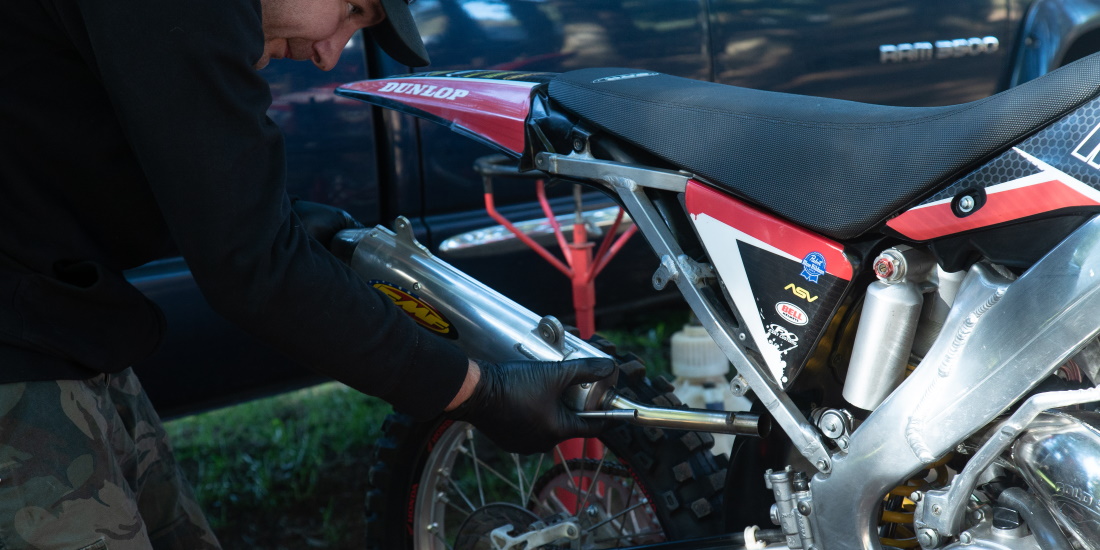
What tools and checks help a trouble-free cruiser exhaust install?
Have purpose-made exhaust tools (like a spring puller and O2 sensor socket) plus fresh gaskets and anti-seize for a clean install. After heat cycles, recheck fasteners, inspect for leaks or contact points, and confirm smooth running and sound.