Begin typing to search, when autocomplete results are available use up and down arrows to review and enter to select. Selecting an options will take you to a new page. Touch device users, explore by touch.SEARCH
Search within a riding style, select an optionBegin typing to search, when autocomplete results are available use up and down arrows to review and enter to select. Selecting an options will take you to a new page. Touch device users, explore by touch.
Free shipping on orders over $79 to Illinois
Orders over $79.00 will receive free shipping. This is a residential delivery service, deliveries Monday through Friday from 9:00am to 8:00pm.
What does a clutch spring’s stiffness or RPM rating mean for cruiser performance?
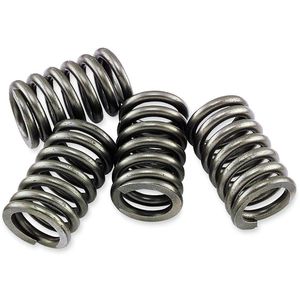
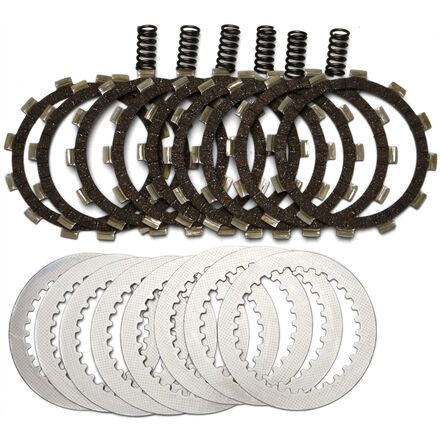
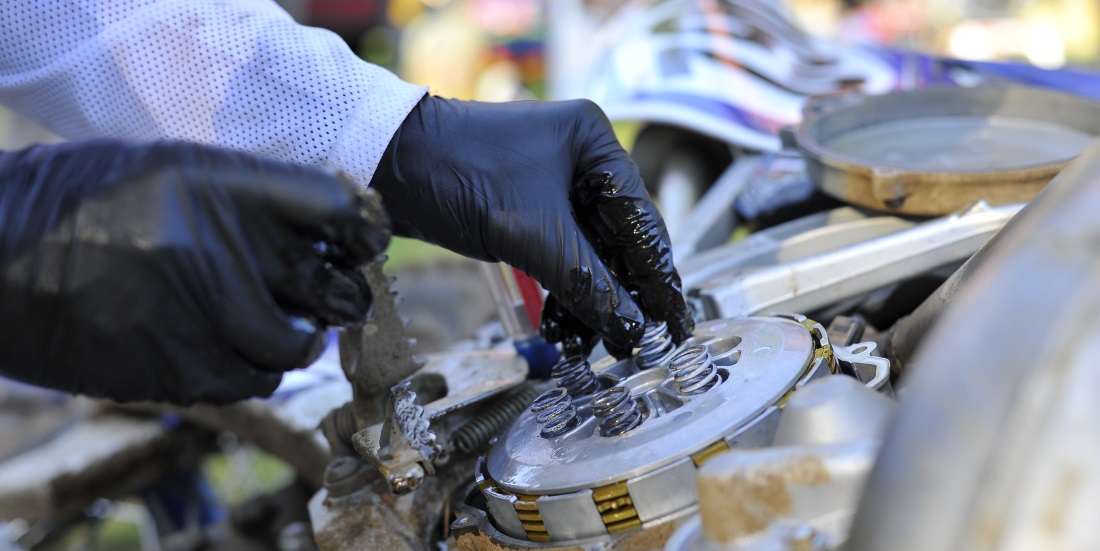
Stiffness and RPM ratings (often color‑coded, e.g., +1000 RPM blue, +1500 RPM yellow, +2000 RPM red) set the engagement RPM: stiffer springs need more engine speed to grab for quicker, aggressive launches, while softer springs engage lower for smoother low‑speed control.
Which clutch spring type suits cruiser riding in city vs highway conditions?
For stop‑and‑go urban riding and wet/cold conditions choose softer springs for easier low‑RPM engagement; for steady highway runs or more aggressive launches choose a stiffer spring—start with the common +1000 RPM increase if you want balanced performance.
What materials and build details should I look for in cruiser clutch springs?
Look for high‑tensile steel and consistent coil geometry with durable finishes—those traits resist compression fatigue and help maintain predictable engagement over time.
How do clutch springs interact with engine mods and other clutch components?
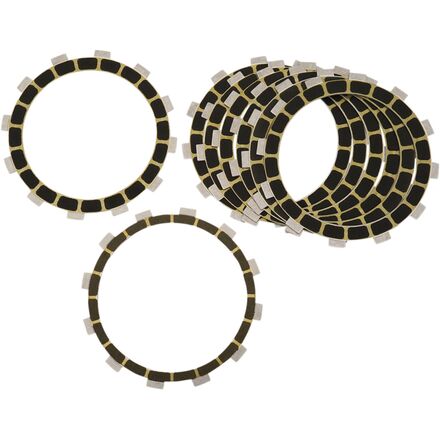
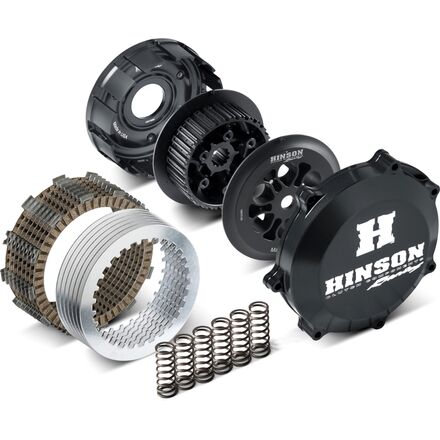
More power or heavier clutch plates can demand stiffer springs to prevent slip, but stiffer springs increase lever effort and can reveal worn cables or judder components, so inspect and address related clutch parts when changing spring rates.
How hard is installation and what maintenance keeps clutch springs working reliably?
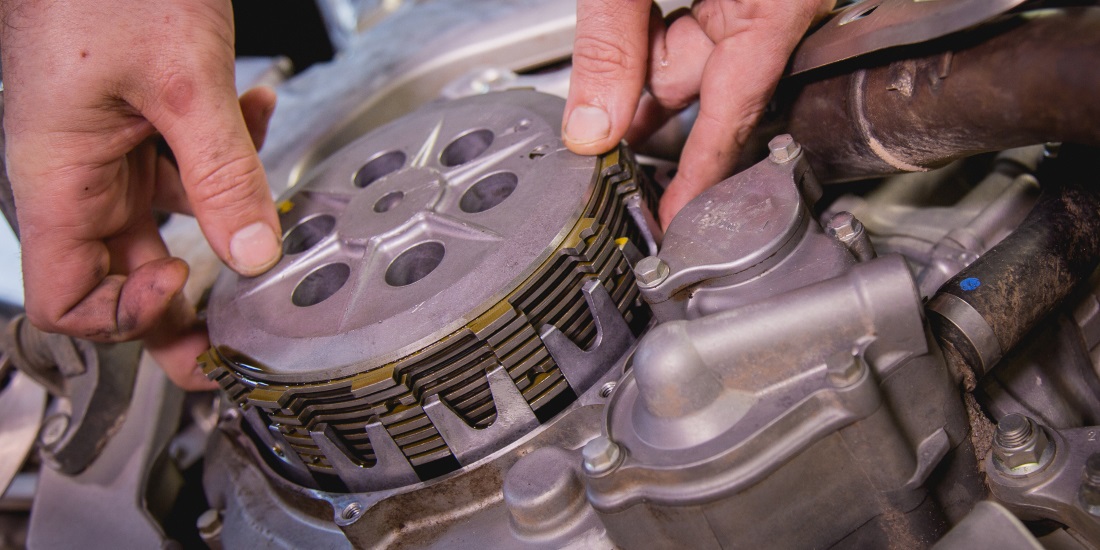
Installation is straightforward with basic clutch access; check installed height and base pressure for tuning, keep linkage and cables lubricated, and inspect springs and plates for wear to extend service life.