Begin typing to search, when autocomplete results are available use up and down arrows to review and enter to select. Selecting an options will take you to a new page. Touch device users, explore by touch.SEARCH
Search within a riding style, select an optionBegin typing to search, when autocomplete results are available use up and down arrows to review and enter to select. Selecting an options will take you to a new page. Touch device users, explore by touch.
Free shipping on orders over $79 to Illinois
Orders over $79.00 will receive free shipping. This is a residential delivery service, deliveries Monday through Friday from 9:00am to 8:00pm.
What should I prioritize when selecting a camshaft for cruiser riding?
Prioritize matching the cam to your engine’s operating RPM range and riding style so it yields strong low‑to‑midrange torque for relaxed street and touring use; balance lift, duration and intake closing to avoid rough idle or lost low‑end power and confirm compatibility with your valvetrain.
Which camshaft specifications have the biggest impact on cruiser performance?
Focus on RPM range, valve lift, duration/intake closing, lobe separation and overlap, lobe profile, and cam type—these determine torque band, throttle response and idle character, so compare specs to your build and intended use.
Hydraulic or solid camshafts — which is better for cruisers?
Hydraulic cams are best for cruiser use due to quieter operation and lower maintenance in variable street conditions, while solid cams offer sharper high‑RPM control but need regular lash adjustment, careful break‑in and more upkeep.
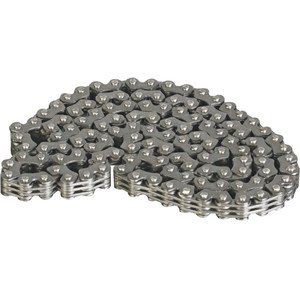
Do I need a cam chain or a full cam kit when upgrading camshafts?
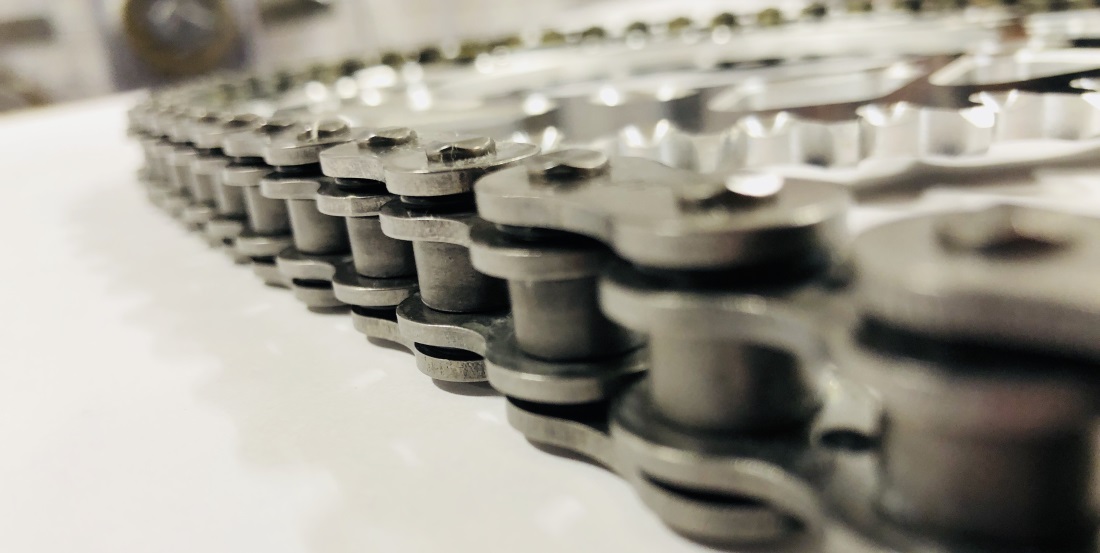
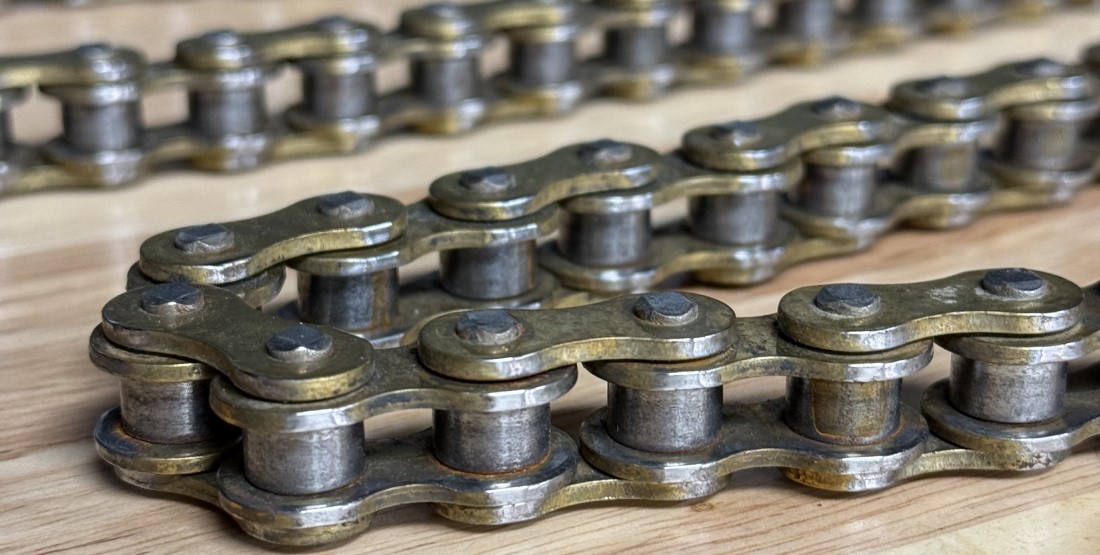
Upgrading cams is best done with a new cam chain and a complete kit (lifters/tappets and associated hardware) to ensure timing reliability and long‑term durability, and professional installation is recommended to verify clearances and timing.
How should engine mods and riding conditions influence my cam and cam chain choice for a cruiser?
Match cam profiles to compression, intake/exhaust and head flow—choose milder profiles for low‑compression or stock induction and more aggressive profiles for upgraded heads/induction—then select durable materials/coatings and a quality chain suited to your typical weather, weight and gearing, and follow proper maintenance and break‑in procedures.