Begin typing to search, when autocomplete results are available use up and down arrows to review and enter to select. Selecting an options will take you to a new page. Touch device users, explore by touch.SEARCH
Search within a riding style, select an optionBegin typing to search, when autocomplete results are available use up and down arrows to review and enter to select. Selecting an options will take you to a new page. Touch device users, explore by touch.
Free shipping on orders over $79 to Illinois
Orders over $79.00 will receive free shipping. This is a residential delivery service, deliveries Monday through Friday from 9:00am to 8:00pm.
Which brake pad compound is best for cruiser riding?
Choose compounds that favor smooth, progressive bite and low noise—organic pads for quiet, forgiving street use; semi-sintered for a balance of comfort and wet-weather durability; sintered for stronger stopping and all-weather reliability, while ceramic/racing compounds are generally overkill for cruisers.
How should I pick cruiser brakes for wet-weather and highway touring?
Prioritize sintered or semi-sintered compounds plus rotors or pads with grooves/slots and heat-resistant materials to channel water and resist fade, and confirm your master cylinder, calipers, and lines deliver consistent lever feel for confident stops when loaded.
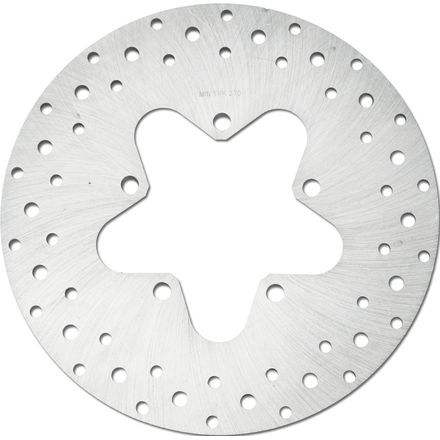
What rotor and pad features reduce brake fade on long, loaded rides?
Look for heat-dissipating features like venting, slots or grooves, and high-temp pad materials; pair those with well-matched caliper pistons and quality lines to maintain even pressure and reduce thermal fade on extended highway runs.
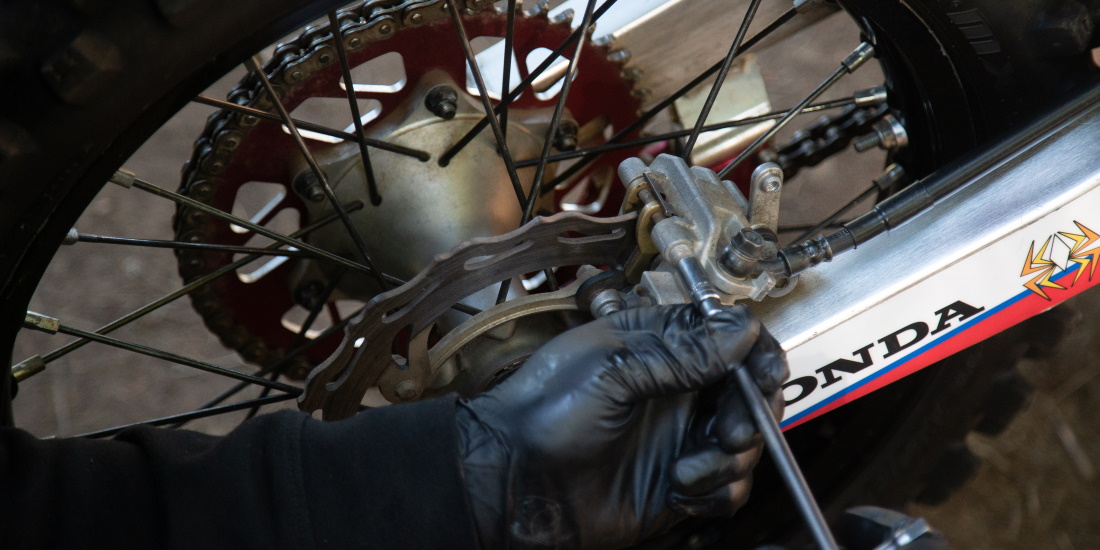
How easy are cruiser brake pads and components to install and maintain?
Most pad and line replacements are straightforward with basic tools; keep caliper slides and mounting hardware clean, bed in new pads properly, and inspect pads, rotors, and lines regularly to extend life and maintain smooth stopping.
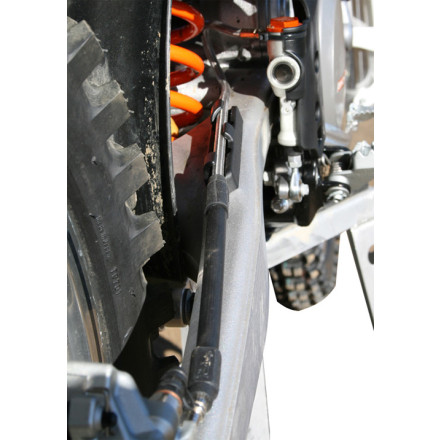
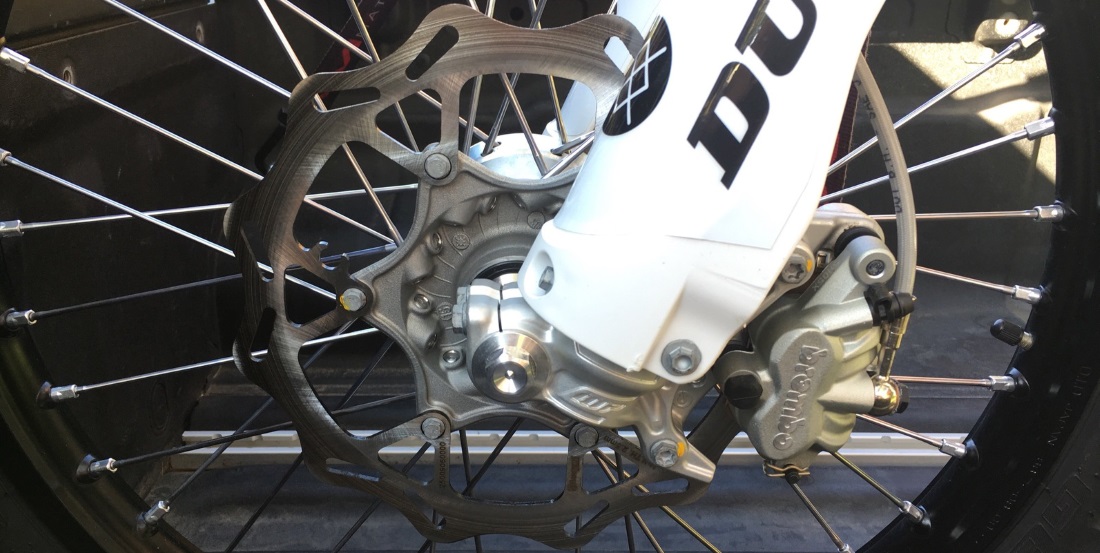
How do common upgrades like braided lines or multi‑piston calipers affect pad choice?
Upgrades that increase lever firmness or change caliper contact can amplify a pad’s initial bite and wear characteristics, so choose a pad compound that matches the firmer feel—also verify rotor compatibility and that your master cylinder produces the intended lever travel and pressure.