Begin typing to search, when autocomplete results are available use up and down arrows to review and enter to select. Selecting an options will take you to a new page. Touch device users, explore by touch.SEARCH
Search within a riding style, select an optionBegin typing to search, when autocomplete results are available use up and down arrows to review and enter to select. Selecting an options will take you to a new page. Touch device users, explore by touch.
Free shipping on orders over $79 to Illinois
Orders over $79.00 will receive free shipping. This is a residential delivery service, deliveries Monday through Friday from 9:00am to 8:00pm.
What materials are valve stem caps made from, and which is best for ATVs?
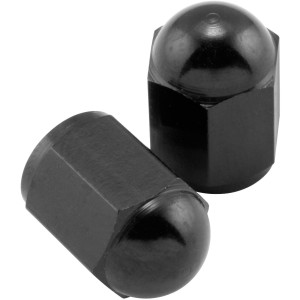
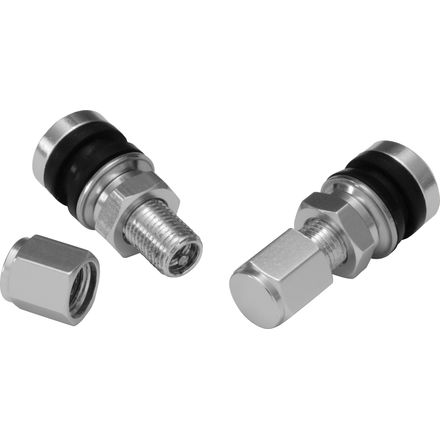
Caps commonly come in plastic, rubber-sealed metal, and all-metal options; for ATVs, sealed metal or rubber-lined caps offer the best balance of durability and protection against dirt and moisture.
How do sealed caps compare to simple plastic caps in wet, salty, or dusty conditions?
Sealed caps with integrated gaskets or O-rings keep out water and contaminants better than plain plastic caps, making them the smarter choice for wet, salty, or dusty terrain.
Can valve stem caps cause corrosion with certain valve stem materials, and how do I avoid that?
Metal caps can create galvanic corrosion on incompatible valve stems, so pick stainless or non-reactive finishes and use isolation washers or rubber-sealed designs when stems are aluminum or plated.
Will valve stem caps interfere with tire pressure sensors or wheel clearance on modified wheels?
Choose low-profile or sensor-compatible caps and verify internal wheel clearance so caps don’t rub sensors or wheel surfaces on wheels with spacers, deep rims, or other mods.
How easy are valve stem caps to install and maintain for off-road use?
Caps are generally hand-installable and low-maintenance—inspect threads and seals before and after rides, replace cracked or worn caps, and favor sealed designs for frequent off-road exposure.