Begin typing to search, when autocomplete results are available use up and down arrows to review and enter to select. Selecting an options will take you to a new page. Touch device users, explore by touch.SEARCH
Search within a riding style, select an optionBegin typing to search, when autocomplete results are available use up and down arrows to review and enter to select. Selecting an options will take you to a new page. Touch device users, explore by touch.
Free shipping on orders over $79 to Illinois
Orders over $79.00 will receive free shipping. This is a residential delivery service, deliveries Monday through Friday from 9:00am to 8:00pm.
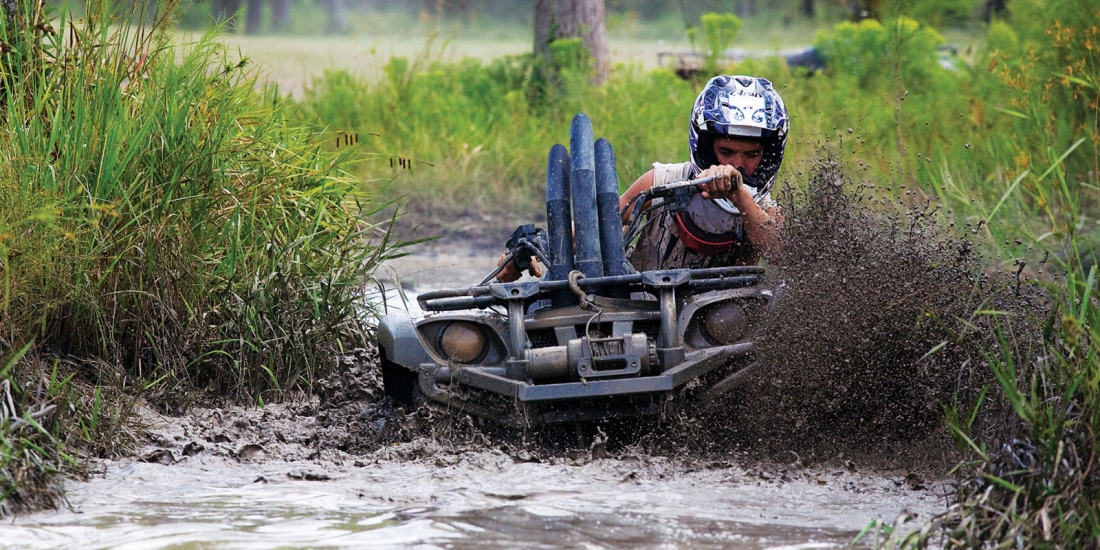
For rocky trails and logs, choose a full-frame skid with A-arm and footwell guards; for deep mud or sand, prioritize smooth belly coverage and A-arm guards that shed buildup. Utility riders often prefer broad coverage to protect the driveline and chassis.
What’s the difference between aluminum, UHMW plastic, and steel skid plates?
Aluminum is rigid and deflects hard hits, UHMW is slick and quiet to glide over rocks/roots, and steel is extra tough but heavier. Pick based on your terrain intensity and weight priorities.
How easy is installation and what should I check?
Most kits are bolt-on; loosely mock up all pieces, align around drain plugs and service points, then tighten in sequence. After your first shakedown ride, recheck all fasteners.
Will these guards work with common ATV mods?
Yes, but verify clearance if you run long-travel A-arms, lift kits, nerf bars, winch bumpers, or a rear hitch; choose guards shaped for your setup to avoid contact through suspension travel.
How do I maintain ATV skid plates and guards?
Rinse off mud/sand/salt, inspect for deep gouges, cracks, or bent brackets, and retighten hardware regularly. Replace heavily abraded UHMW or significantly dented metal panels to maintain protection and smooth slide.