Begin typing to search, when autocomplete results are available use up and down arrows to review and enter to select. Selecting an options will take you to a new page. Touch device users, explore by touch.SEARCH
Search within a riding style, select an optionBegin typing to search, when autocomplete results are available use up and down arrows to review and enter to select. Selecting an options will take you to a new page. Touch device users, explore by touch.
Free shipping on orders over $79 to Illinois
Orders over $79.00 will receive free shipping. This is a residential delivery service, deliveries Monday through Friday from 9:00am to 8:00pm.
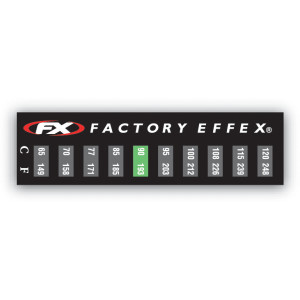
How do I choose the right temperature sensor from this ATV category for a motorcycle?
Prioritize vehicle compatibility (connector, wiring type, mounting), a temperature range that covers engine/oil heat above 100°C, and a sensor type matched to off-road or street use; ATV-focused sensors may need adapters or minor setup changes.
Which sensor type works best for off-road dirtbike/adventure riding?
Thermocouples (Type K/N) are ideal for high-heat, fast-changing conditions, and should come in rugged, sealed housings that resist vibration, dust, and moisture.
What should street and cruiser riders look for in a temperature sensor?
NTC thermistors or RTDs provide stable, accurate readings for ambient, coolant, or oil with quick response and moisture-proof housings; choose a thermocouple for exhaust or header hotspots.
What temperature range should I target for motorcycle engine monitoring?
Select sensors rated roughly 100–250°C for engine and oil monitoring, using higher-range thermocouples for hotspots and thermistors where temps stay lower and accuracy matters most.
Any installation tips when adapting an ATV sensor to a motorcycle?
Verify electrical type (thermocouple/NTC/RTD), connector pinout, and mounting space; route wiring away from heat, use isolation or a thermowell in high-vibration areas, and add pigtails/adapters if needed.