Begin typing to search, when autocomplete results are available use up and down arrows to review and enter to select. Selecting an options will take you to a new page. Touch device users, explore by touch.SEARCH
Search within a riding style, select an optionBegin typing to search, when autocomplete results are available use up and down arrows to review and enter to select. Selecting an options will take you to a new page. Touch device users, explore by touch.
Free shipping on orders over $79 to Illinois
Orders over $79.00 will receive free shipping. This is a residential delivery service, deliveries Monday through Friday from 9:00am to 8:00pm.
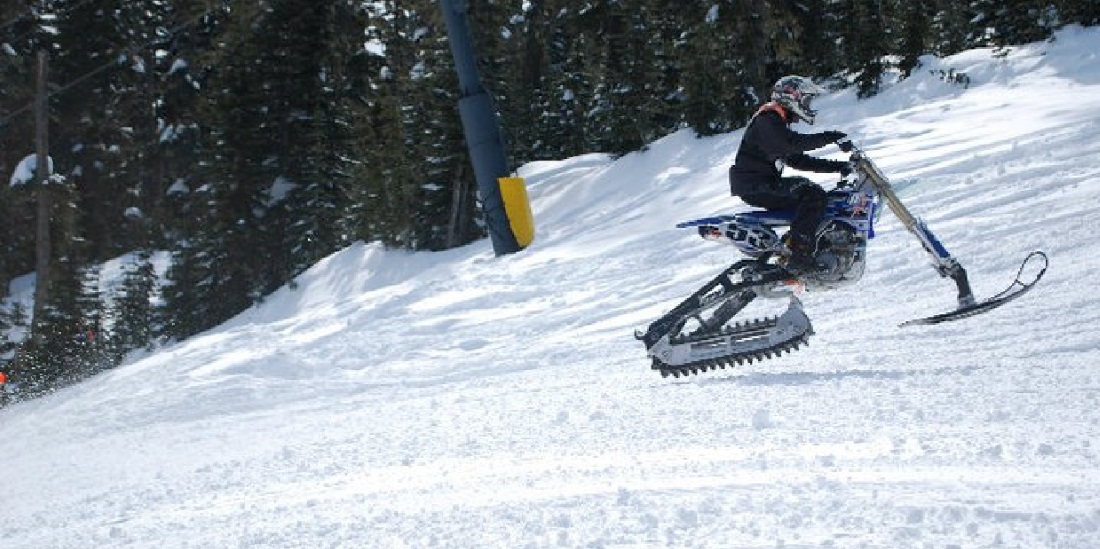
What makes these snow helmets ideal for ATV/UTV and snowmobile winter riding?
They’re purpose-built for cold, snowy conditions with insulated liners, enhanced sealing, and anti-fog visors—unlike motorcycle helmets tuned for warm, high-speed airflow. Expect warmth and clear vision on icy, humid rides without excessive venting.
Should I choose full-face or modular for snowy trails?
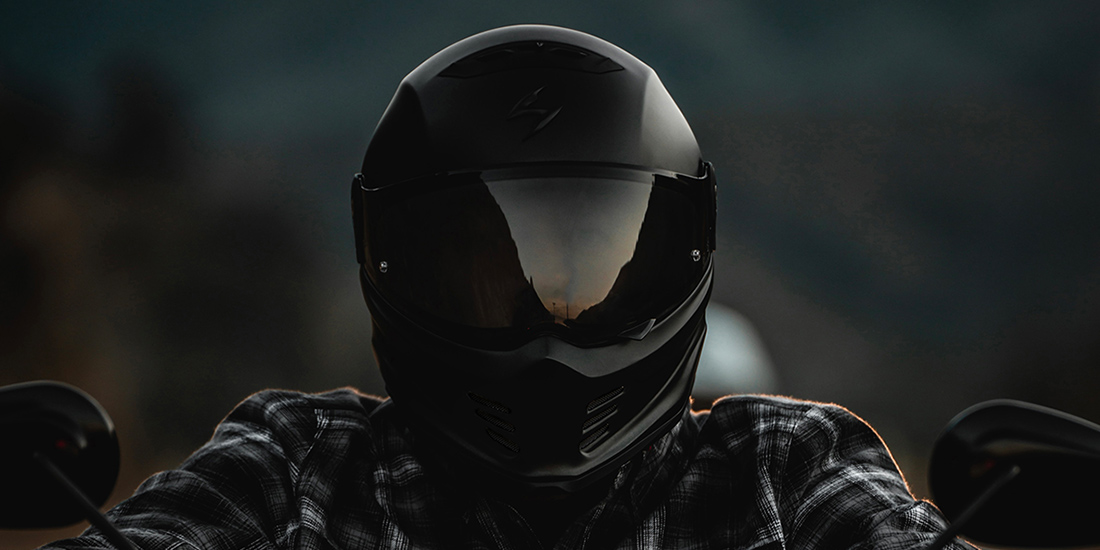
Full-face offers the most impact protection and wind-chill defense; modular adds flip-up convenience for stops and comms but confirm tight sealing and manageable weight. Avoid open-face styles that expose skin to freezing air.
How should an ATV snow helmet fit?
Measure and match your head shape (intermediate/long/round oval), then choose a snug fit that stabilizes without hot spots—cheek pads should feel firm and the eyeport sit just above the brows. Expect a slight break-in; secure with a double D-ring for rugged use or a micrometric buckle for quick on/off, and verify DOT/ECE/Snell certification.
Which shell materials and features help reduce fatigue on long winter rides?
Polycarbonate prioritizes value, fiberglass balances strength and weight, and carbon fiber is the lightest to ease neck strain; multiple shell sizes and adjustable pads improve proportional fit. Aerodynamic shaping and quieter designs are nice-to-have but less critical at typical ATV/UTV snow speeds.
How do I prevent fogging and care for a snow helmet over time?
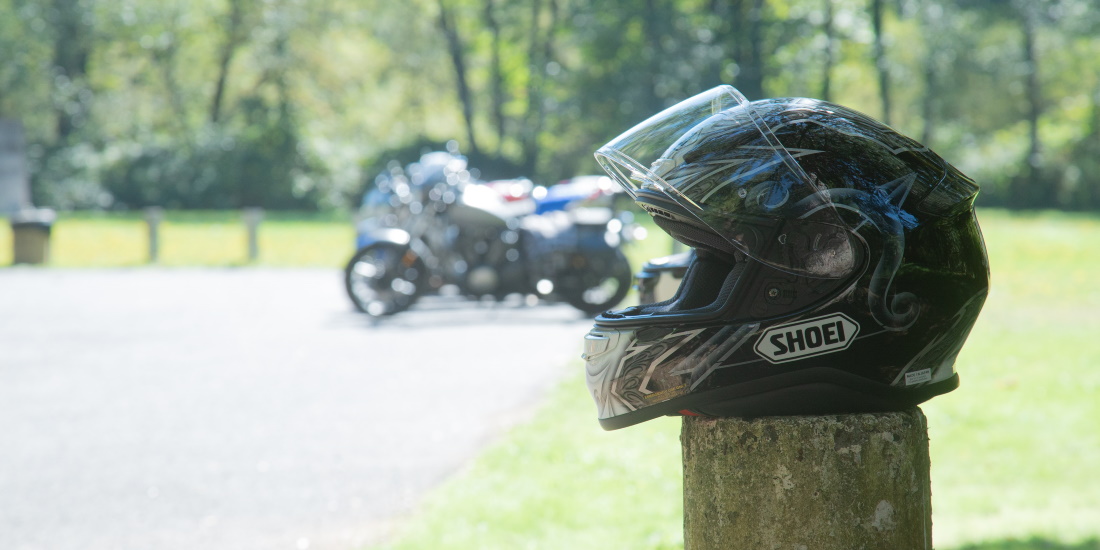
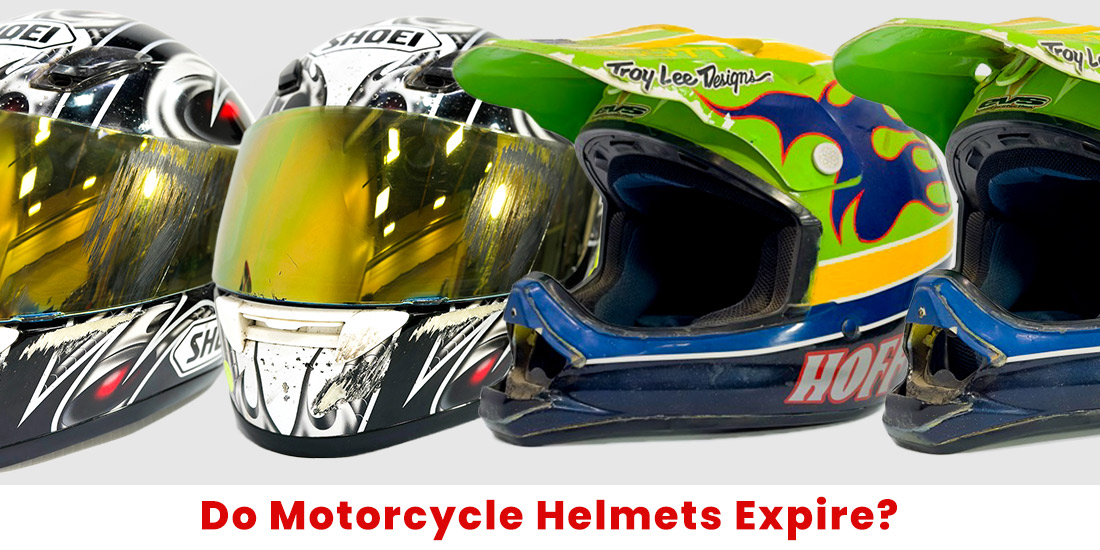
Choose a clear or tinted shield with Pinlock or similar anti-fog tech and use adjustable vents sparingly to retain warmth in sub-freezing air. Remove and wash the liner as needed, keep seals clean and dry, and replace the helmet after any impact or on an age-related schedule.