Begin typing to search, when autocomplete results are available use up and down arrows to review and enter to select. Selecting an options will take you to a new page. Touch device users, explore by touch.SEARCH
Search within a riding style, select an optionBegin typing to search, when autocomplete results are available use up and down arrows to review and enter to select. Selecting an options will take you to a new page. Touch device users, explore by touch.
Free shipping on orders over $79 to Illinois
Orders over $79.00 will receive free shipping. This is a residential delivery service, deliveries Monday through Friday from 9:00am to 8:00pm.
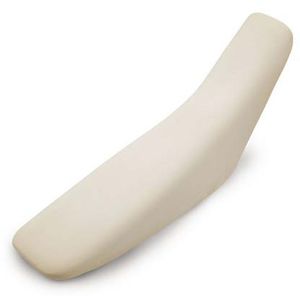
Closed-cell foam is the go-to for off-road ATVs because it resists water, holds shape, and adds stable support for rough terrain, while a soft open-cell top layer can be added for cruising comfort—layering both gives a balanced feel for mixed trail use.
How do density and firmness affect ATV ride comfort and longevity?
Higher-density foams deliver firmer support and longer service life for bumpy, aggressive riding, whereas lower-density foams feel softer initially but compress faster and risk bottoming out on rough trails.
Will thicker foam change my ATV handling or rider position?
Thicker foam increases seat height and cushioning, which can alter rider reach and leverage on the machine, while thinner pads work as overlays to add comfort without significantly changing stance.
Are gel or air-cell options worth adding to ATV seats?
Gel inserts and air-cell systems improve pressure relief and vibration damping for long rides or hard terrain, though they add weight and complexity—choose them when heat management and extended comfort are priorities.
How should I care for ATV seat foam used in wet, muddy conditions?
Prefer closed-cell or layered foams for wet environments, rinse and dry seats after rides, inspect covers and seams for wear, and avoid excessive heat or improper adhesives during install to prevent foam damage.