Begin typing to search, when autocomplete results are available use up and down arrows to review and enter to select. Selecting an options will take you to a new page. Touch device users, explore by touch.SEARCH
Search within a riding style, select an optionBegin typing to search, when autocomplete results are available use up and down arrows to review and enter to select. Selecting an options will take you to a new page. Touch device users, explore by touch.
Free shipping on orders over $79 to Illinois
Orders over $79.00 will receive free shipping. This is a residential delivery service, deliveries Monday through Friday from 9:00am to 8:00pm.
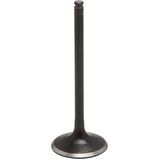
Stainless steel valves offer a strong, affordable balance for most ATV use, while higher-grade alloys and coated valves are recommended for boosted engines or extreme-performance builds to resist heat and wear.
How does valve concentricity and geometry impact ATV engine performance?
Proper concentricity and matching valve length/geometry ensure reliable sealing, reduce guide wear, and maintain consistent airflow—misalignment can cause leaks and premature component failure.
Which intake valve features matter most for off-road and high‑RPM ATV riding?
Look for precision ID/OD tolerances, polished stems, durable guide materials (like powdered metal), and wear‑resistant coatings to withstand high revs, debris, and frequent throttle changes common in off‑road riding.
What should I inspect or do during installation to maximize valve life?
Ensure valves seat concentrically, stems slide freely with proper clearance, mating surfaces are clean, and valve stems are properly lubricated; correct installation reduces wear and extends service intervals.
How do performance modifications change intake valve selection for an ATV?
Power adders and aggressive cam profiles increase thermal and mechanical loading, so choose stronger alloys, enhanced coatings, and more robust guide materials, and plan for closer inspection intervals to maintain reliability.