Begin typing to search, when autocomplete results are available use up and down arrows to review and enter to select. Selecting an options will take you to a new page. Touch device users, explore by touch.SEARCH
Search within a riding style, select an optionBegin typing to search, when autocomplete results are available use up and down arrows to review and enter to select. Selecting an options will take you to a new page. Touch device users, explore by touch.
Free shipping on orders over $79 to Illinois
Orders over $79.00 will receive free shipping. This is a residential delivery service, deliveries Monday through Friday from 9:00am to 8:00pm.
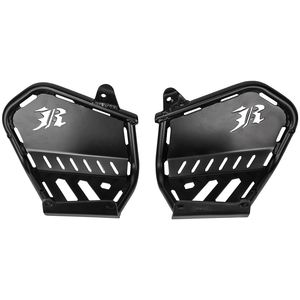
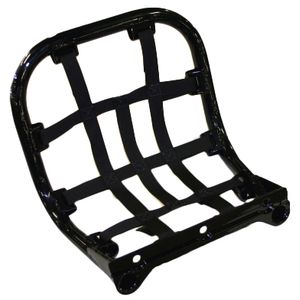
Heel guards protect boots from heat, exhaust contact, and rubbing on floorboards, but they’re most effective on machines with flat floorboards—many ATVs/UTVs use pegs so heel guards are only useful on models with flat board areas or aftermarket floorboards.
What materials are heel guards made from and which is best for off-road platforms with floorboards?
Heel guards typically come in durable high-grade steel for long wear resistance or carbon fiber for lighter weight and boot protection; choose steel for rugged longevity and carbon fiber where weight savings and corrosion resistance matter.
How are heel guards installed on floorboards and what should riders check during fitment?
Installation is a simple bracket attachment to the floorboard top or bottom and riders should confirm a flat mounting surface, proper alignment, and clearance so the guard doesn’t interfere with controls or rubber pads.
In what riding conditions do heel guards provide the biggest benefit?
Heel guards are most beneficial for pavement and highway riding and in hot-weather conditions where radiant exhaust heat and sustained rubbing can damage boots, while they offer less advantage on rough off-road terrain that uses pegs.
How should riders maintain heel guards and what wear should they expect?
Keep guards clean and inspect mounting brackets and contact areas regularly; durable steel guards typically resist wear and corrosion but will show surface wear before boots do, and you should verify compatibility with heat shields and floorboard pads to avoid premature wear or clearance issues.