Begin typing to search, when autocomplete results are available use up and down arrows to review and enter to select. Selecting an options will take you to a new page. Touch device users, explore by touch.SEARCH
Search within a riding style, select an optionBegin typing to search, when autocomplete results are available use up and down arrows to review and enter to select. Selecting an options will take you to a new page. Touch device users, explore by touch.
Free shipping on orders over $79 to Illinois
Orders over $79.00 will receive free shipping. This is a residential delivery service, deliveries Monday through Friday from 9:00am to 8:00pm.
What does an ATV fuel screw do, and which engines use it?
On carbureted four-stroke ATVs, the fuel screw meters fuel at idle/low throttle for easier starting, stable idle, and clean off‑idle response; two-strokes typically use an air screw instead.
How do I choose the right fuel screw for my ATV?
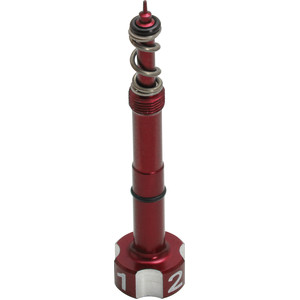
Match it to your carb model and confirm you need a fuel screw (not an air screw); look for precision brass construction and a fine needle tip. Extended, hand-adjustable designs make trail-side tuning fast.
How should I set and tune the fuel screw for changing weather or elevation?
Start near the common baseline (about 1.5–3 turns out) and fine‑tune for crisp throttle and steady idle as temperature, elevation, and humidity change. If you’re far outside that range to run cleanly, your pilot jet likely needs a size change.
Are extended fuel screws worth it for off‑road use?
Yes—knurled, extended screws let you adjust without tools under the carb, ideal for frequent tweaks in varying terrain and weather. Choose one with a secure spring, washer, and o‑ring to hold the setting.
What should I check during install and after swapping a fuel screw?
Inspect and lightly lube the o‑ring, ensure the spring and washer are in order, and avoid bottoming the needle tip. After install, verify hot idle quality and off‑idle response, and retune if you change intake, exhaust, or pilot jetting.