Begin typing to search, when autocomplete results are available use up and down arrows to review and enter to select. Selecting an options will take you to a new page. Touch device users, explore by touch.SEARCH
Search within a riding style, select an optionBegin typing to search, when autocomplete results are available use up and down arrows to review and enter to select. Selecting an options will take you to a new page. Touch device users, explore by touch.
Free shipping on orders over $79 to Illinois
Orders over $79.00 will receive free shipping. This is a residential delivery service, deliveries Monday through Friday from 9:00am to 8:00pm.
How do I choose the right fork seal for my ATV or off‑road bike?
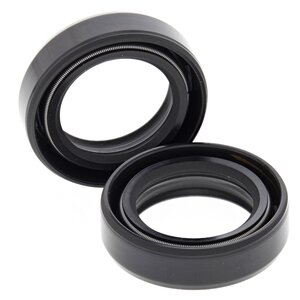
Prioritize seals designed for your vehicle type, terrain, and operating conditions; confirm shaft diameter and fork model, then match lip count and casing—multi‑lip seals for rough use, low‑friction designs for road. Choose stainless springs and premium compounds for longer life and reduced stiction.
Which fork seal features best prevent dirt and water intrusion on rough trails?
Select multi‑lip designs with dust lips and downward‑facing tension rings plus rubber‑covered or metal casings to block contaminants, and prefer stainless springs to resist corrosion under repeated impacts.
What seal constructions work best for ATVs and UTVs that carry heavy loads?
Fully enclosed or metal‑cased seals with robust multi‑lip and spring configurations handle larger shafts and heavy duty use, and durable compound formulations stand up to abrasive, impact-prone environments.
When upgrading fork seals for performance or customization, what materials and install priorities matter?
Choose premium rubber compounds, low‑stiction profiles or outer tension rings depending on whether you need highway smoothness or off‑road protection, and ensure precise alignment and clearances during installation using a proper seal driver to avoid lip damage.
How should fork seals be installed and maintained to maximize durability and safety?
Clean and lubricate fork tubes with fork oil, seat seals with a proper driver in the correct orientation (oil side up, tension ring down), and inspect/remove debris promptly while checking for stiction, nicks, or corrosion to prevent leaks.