Begin typing to search, when autocomplete results are available use up and down arrows to review and enter to select. Selecting an options will take you to a new page. Touch device users, explore by touch.SEARCH
Search within a riding style, select an optionBegin typing to search, when autocomplete results are available use up and down arrows to review and enter to select. Selecting an options will take you to a new page. Touch device users, explore by touch.
Free shipping on orders over $79 to Illinois
Orders over $79.00 will receive free shipping. This is a residential delivery service, deliveries Monday through Friday from 9:00am to 8:00pm.
What types of engine stop switches are available for ATVs and how do they differ?
Handlebar-mounted toggles, push buttons, flip switches, pull‑tether lanyards, and wireless remotes are the common styles; toggles and flips resist accidental activation, buttons are quick to use, tethers cut ignition if you separate from the vehicle, and remotes offer remote control flexibility.
Which stop switch is best for off‑trail ATV riding in mud and wet conditions?
Choose a sealed, water‑ and dust‑resistant switch with a fail‑safe activation method—pull tethers are ideal for ejection scenarios while rugged handlebar toggles resist mud and rain—also confirm the switch uses normally‑closed contacts and matches your vehicle’s electrical system.
What electrical and sealing specs should I check before buying an engine stop switch?
Match the switch’s voltage and current capacity to your vehicle’s electrical system, prefer normally‑closed contact designs that break the ignition circuit, and select a sealed enclosure with a high ingress‑protection level for outdoor use.
How do mounting style and ergonomics affect choice and installation?
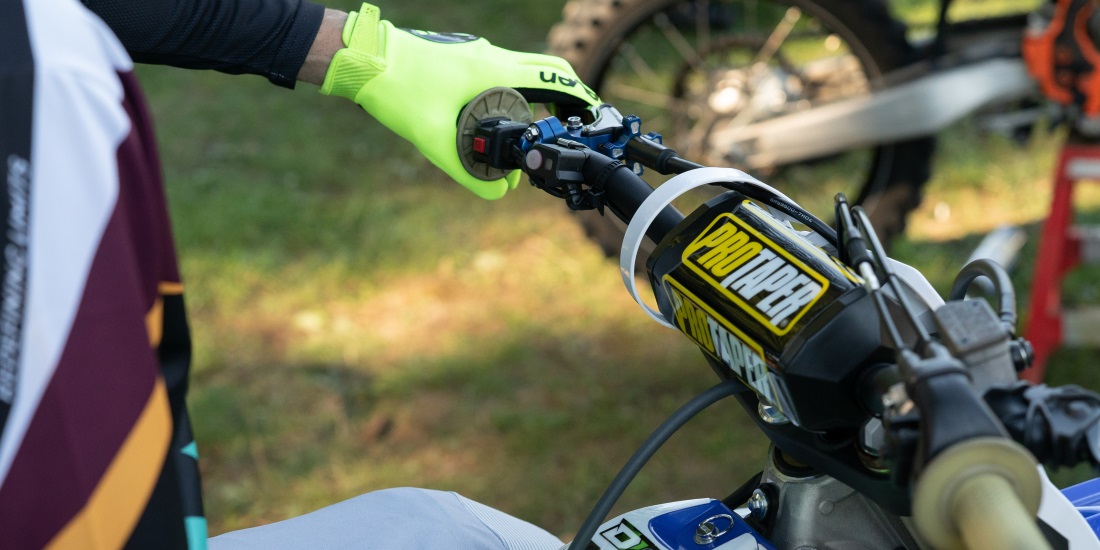
Handlebar mounts give quick thumb access for emergency stops while panel mounts keep controls tidy; verify available bar space, choose a preferred reset mechanism (self‑latching vs manual), and favor visible red labeling or illumination for fast identification.
What maintenance and durability cues should I look for on aftermarket stop switches?
Look for corrosion‑resistant materials, UV and vibration‑tolerant construction, sealed connectors, and perform regular visual inspections plus a post‑install function test to ensure continued reliability in harsh riding conditions.