Begin typing to search, when autocomplete results are available use up and down arrows to review and enter to select. Selecting an options will take you to a new page. Touch device users, explore by touch.SEARCH
Search within a riding style, select an optionBegin typing to search, when autocomplete results are available use up and down arrows to review and enter to select. Selecting an options will take you to a new page. Touch device users, explore by touch.
Free shipping on orders over $79 to Illinois
Orders over $79.00 will receive free shipping. This is a residential delivery service, deliveries Monday through Friday from 9:00am to 8:00pm.
How do I choose the right cylinder head for my ATV?
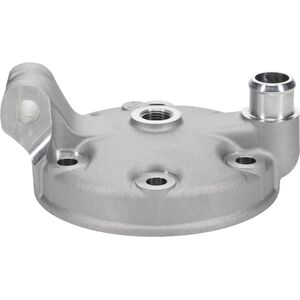
Choose a head that matches your engine’s displacement, bore/stroke, RPM range, and intended use; prioritize material, port volume/shape, valve size/angle/seat design, E/I flow balance, and combustion chamber shape to get the performance characteristics you want. Cross-check the head’s fitment details against your vehicle manual and prefer full flow curves over single peak numbers when comparing options.
What materials and design features matter for ATV cylinder heads?
For most ATV applications, cast aluminum offers lightweight construction and good heat dissipation while billet or strengthened materials suit high-boost builds; also evaluate coolant passages, valve shrouding, and finish quality for durability and thermal control. Consider whether the head is a direct-fit or requires additional machining to keep installation straightforward.
How do port volume and shape affect trail versus race performance?
Smaller, high-velocity ports favor low-end torque and tractable power for trail and utility riding, while larger, high-flow ports support sustained high-RPM power for racing; balance intake and exhaust flow to avoid over-scavenging and maintain usable power across the rev range.
What valvetrain compatibility checks should I perform before buying a head?
Verify that valve springs, stem sizes, rocker style, and cam lift harmonize with the new head to prevent float or interference, and ensure proper seating pressure and harmonics for reliable operation. Also confirm clearance and alignment needs so installation and routine valve maintenance remain manageable.
How should ATV riders set up and maintain cylinder heads for off-road use?
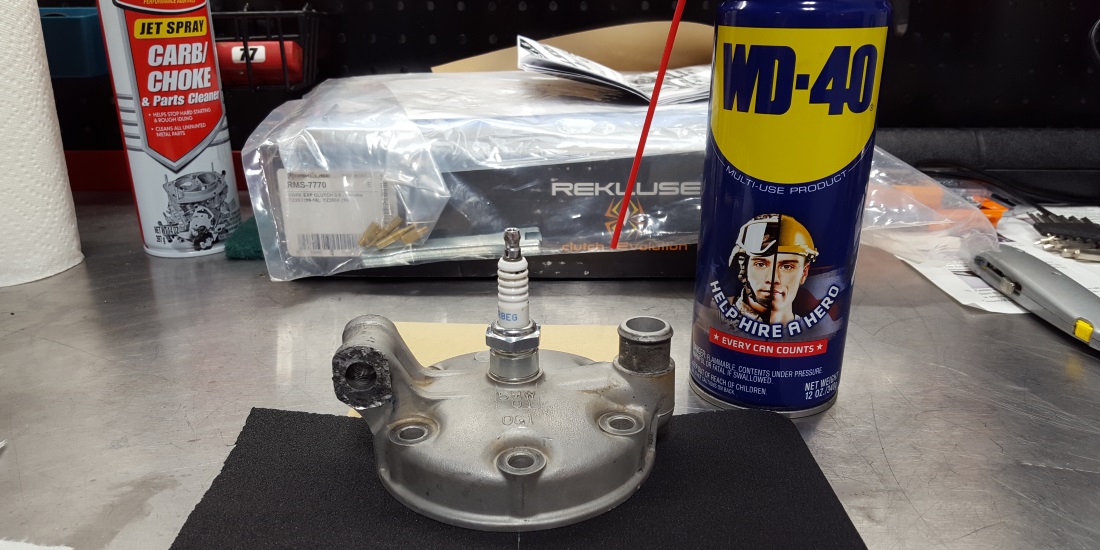
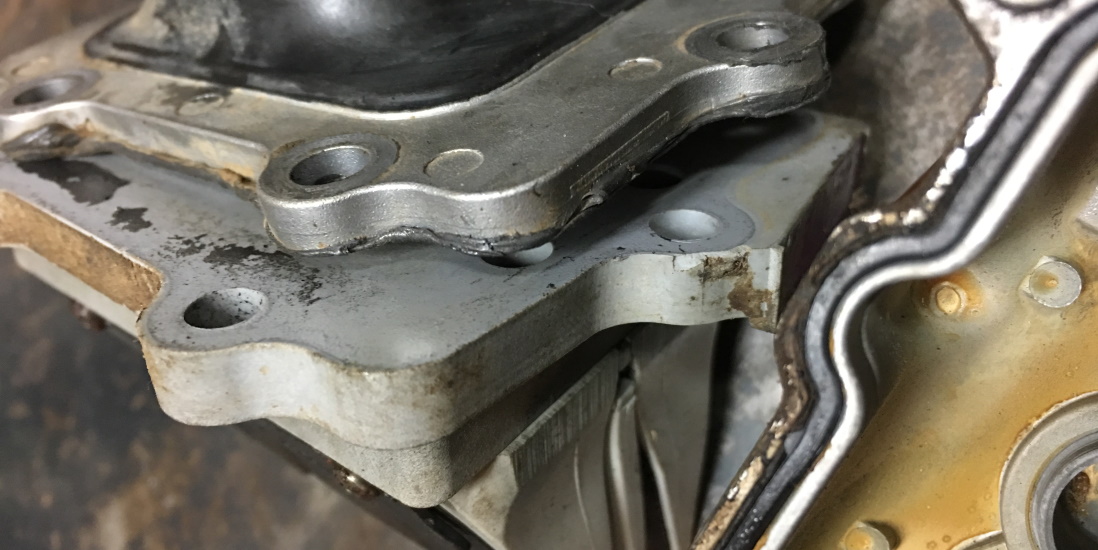
For off-road conditions prioritize heads with sealed ports, robust valve seats, and designs that aid cooling and debris resistance; perform regular inspections of seat condition, coolant passages, and valvetrain wear, and pair head upgrades with matching cam and exhaust components for best results.