Begin typing to search, when autocomplete results are available use up and down arrows to review and enter to select. Selecting an options will take you to a new page. Touch device users, explore by touch.SEARCH
Search within a riding style, select an optionBegin typing to search, when autocomplete results are available use up and down arrows to review and enter to select. Selecting an options will take you to a new page. Touch device users, explore by touch.
Free shipping on orders over $79 to Illinois
Orders over $79.00 will receive free shipping. This is a residential delivery service, deliveries Monday through Friday from 9:00am to 8:00pm.
Which ATV brake pad compound should I choose for my terrain and riding style?
Sintered pads excel in mud, sand, heavy loads, and aggressive braking; semi‑metallic works well for mixed trail/utility; organic suits light-duty use and short trips. In wet conditions, choose pads/rotors with grooves or slots to help clear water.
What should I check to ensure ATV brake repair parts match my machine’s brake system?
Confirm your exact make, model, and year, then match brake type (disc or drum), caliper style, and pad shape/compound, keeping rotor size and thickness in line with your stock setup. ATV-focused parts rarely fit motorcycles—choose components labeled for your vehicle type.
Are floating or stainless brake rotors a good upgrade for ATVs, and when?
Floating rotors improve heat management and consistency under hard or prolonged braking; stainless steel resists corrosion and stays stable in wet or muddy conditions. Match dimensions to your stock system, and for road‑legal use, look for ECE R90 homologation.
What should an ATV caliper rebuild kit include for a smooth DIY install?
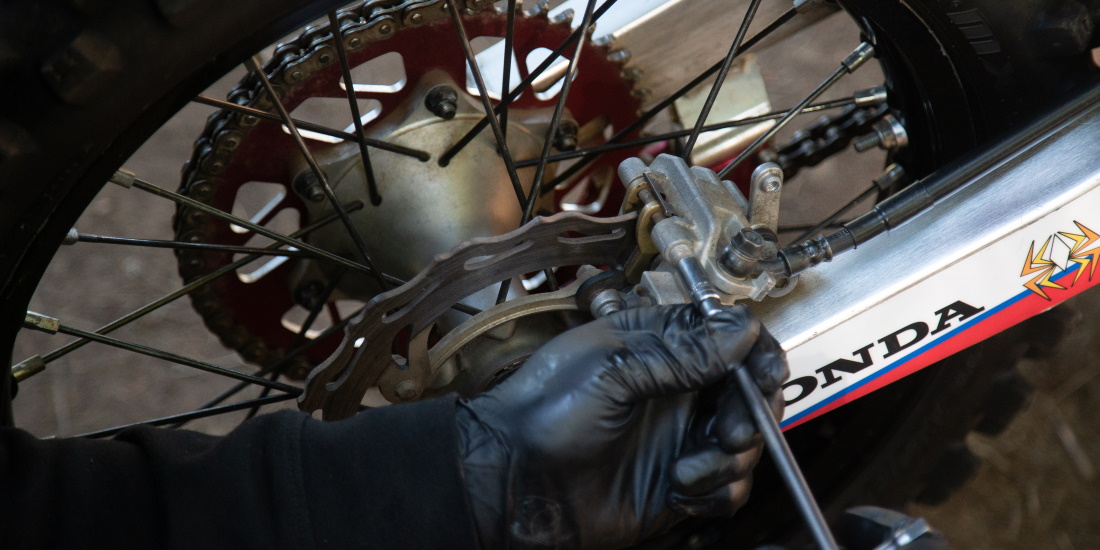
Look for a kit with pistons, pressure seals, dust boots, slide pin boots, and high‑temp grease, plus clear instructions. Use the brake fluid spec recommended for your machine and ensure sliders move freely after reassembly.
How do I maintain ATV brakes after install to maximize life and performance?
Bed-in new pads/rotors, rinse components after muddy rides, and inspect pads, seals, and fluid regularly for wear, glazing, or contamination. If you run larger tires or carry heavy loads, watch for heat fade and consider higher‑heat pad compounds or floating rotors to keep braking consistent.