Begin typing to search, when autocomplete results are available use up and down arrows to review and enter to select. Selecting an options will take you to a new page. Touch device users, explore by touch.SEARCH
Search within a riding style, select an optionBegin typing to search, when autocomplete results are available use up and down arrows to review and enter to select. Selecting an options will take you to a new page. Touch device users, explore by touch.
Free shipping on orders over $79 to Illinois
Orders over $79.00 will receive free shipping. This is a residential delivery service, deliveries Monday through Friday from 9:00am to 8:00pm.
How do I choose the right ATV brake pad compound for my riding?
Choose organic for smoother, lower‑heat riding in mostly dry conditions; sintered for aggressive braking, heavy machines, or wet, muddy, and sandy terrain; semi‑sintered if you want balanced feel and longevity across mixed conditions. Always choose asbestos‑free formulations.
What should I verify to ensure the pads are compatible with my ATV’s braking system?
Confirm model‑specific fitment for the correct axle and caliper style, check your OEM compound recommendation, and make sure the pad works with your rotor material. Reviewing friction rating, heat tolerance, and approvals can help match performance to your needs.
Which ATV brake pads perform best in wet, muddy, or sandy conditions?
Sintered pads deliver the strongest initial bite and low fade in harsh wet or abrasive terrain, with reliable stopping in mud and sand. Semi‑sintered is a versatile alternative; organic can struggle in constant wet or high heat.
How do different compounds impact rotor wear, heat management, and pad life?
Organic pads are quieter and gentler on rotors but can fade and wear faster under sustained heat. Sintered pads maximize stopping power and durability with more heat transfer and potential rotor wear; semi‑sintered strikes a middle ground with progressive feel.
Can upgraded ATV pads be used with aftermarket rotors or stainless lines, and any install tips?
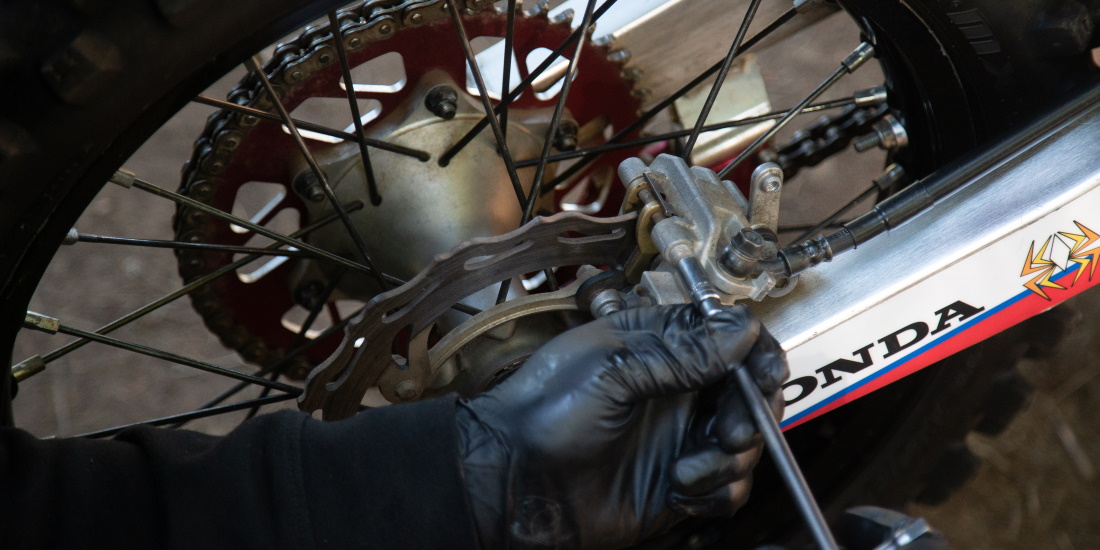
Yes—match the compound to the rotor material, verify clearances, and bed new pads in gradually to prevent glazing and ensure full bite. During install, ensure caliper alignment and secure hardware, then keep rotors clean and inspect pads regularly for contamination or uneven wear.