Begin typing to search, when autocomplete results are available use up and down arrows to review and enter to select. Selecting an options will take you to a new page. Touch device users, explore by touch.SEARCH
Search within a riding style, select an optionBegin typing to search, when autocomplete results are available use up and down arrows to review and enter to select. Selecting an options will take you to a new page. Touch device users, explore by touch.
Free shipping on orders over $79 to Illinois
Orders over $79.00 will receive free shipping. This is a residential delivery service, deliveries Monday through Friday from 9:00am to 8:00pm.
What do ATV block off plates do, and when should I use them?
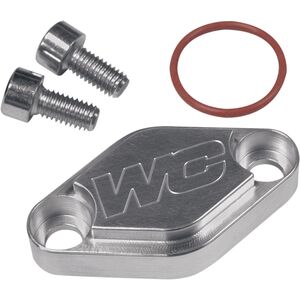
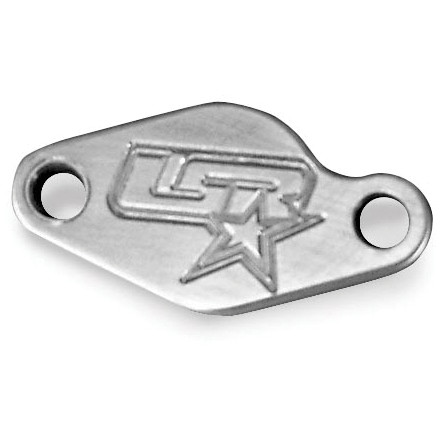
They seal the valve cover ports for the air injection (AIS/PAIR) system to stop fresh air from entering the exhaust. Install them when adding a freer-flowing exhaust or doing fuel tuning/dyno work to reduce decel popping and get accurate air‑fuel readings; for closed‑course competition only.
What construction should I look for to handle mud, water, and vibration?
Choose CNC‑machined billet aluminum plates with a corrosion‑resistant finish and quality hardware for a tight, durable seal. This setup resists impacts, frequent washing, and thermal cycling common in ATV use.
How do block off plates interact with tuners and exhaust systems?
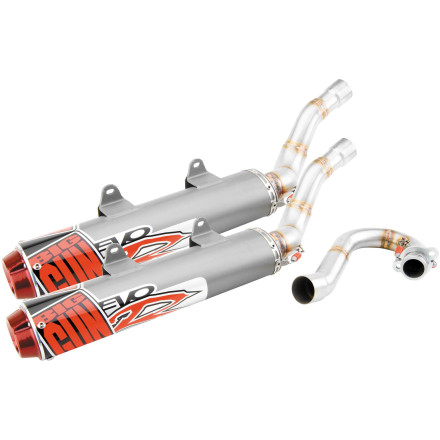
By eliminating AIS/PAIR airflow, they prevent false lean O2 readings so auto‑tune and wideband setups can dial in fueling correctly. They also complement free‑flow exhausts by minimizing exhaust popping on decel.
How easy is installation and what should I double‑check?
It’s a straightforward bolt‑on: remove the AIS valves/hoses, install the plates with the specified gasket or seal, and cap any related ports. Verify clearance around your valve cover and exhaust, route or remove hoses cleanly, and recheck fasteners after the first ride.
What upkeep is needed after installing block off plates on an ATV?
Periodically inspect for air or oil seepage at the plate, ensure bolts remain snug, and confirm any capped lines stay sealed. After tuning changes or hard rides, listen for renewed decel popping as a cue to recheck sealing or fueling.