Begin typing to search, when autocomplete results are available use up and down arrows to review and enter to select. Selecting an options will take you to a new page. Touch device users, explore by touch.SEARCH
Search within a riding style, select an optionBegin typing to search, when autocomplete results are available use up and down arrows to review and enter to select. Selecting an options will take you to a new page. Touch device users, explore by touch.
Free shipping on orders over $79 to Illinois
Orders over $79.00 will receive free shipping. This is a residential delivery service, deliveries Monday through Friday from 9:00am to 8:00pm.
What are exhaust sensors and servo eliminators, and who are they made for?
Exhaust sensors monitor oxygen in exhaust gases to help the ECU control air/fuel mixture, while servo eliminators simulate or bypass exhaust valve servos after you remove stock parts; these items are primarily designed for UTVs and side-by-sides, and using them on motorcycles or other platforms requires verifying your ECU, exhaust setup, and sensor type to avoid errors or poor performance.
How do I choose between narrowband and wideband O2 sensors?
Narrowband sensors provide basic stoichiometric feedback suited to stock and emissions-focused setups, while wideband sensors deliver precise air/fuel readings for tuning and performance changes; always match wiring, connector type, and signal compatibility with your ECU to prevent error codes or drivability issues.
When should I install a servo eliminator after changing the exhaust?
Install a servo eliminator when your aftermarket slip-on or full system removes or disables the stock butterfly valves or DB-killer components so the ECU doesn’t register a servo fault and trigger warnings or limp behavior.
What should off-road UTV riders look for in sensors and eliminators for muddy or wet conditions?
Choose sensors and eliminators with robust, weatherproof housings and corrosion-resistant materials, prefer wideband units if tuning or high-load operation is expected, and pick sealed connectors and durable mounting to resist dust, water, and vibration.
What are the installation and maintenance priorities to maximize service life?
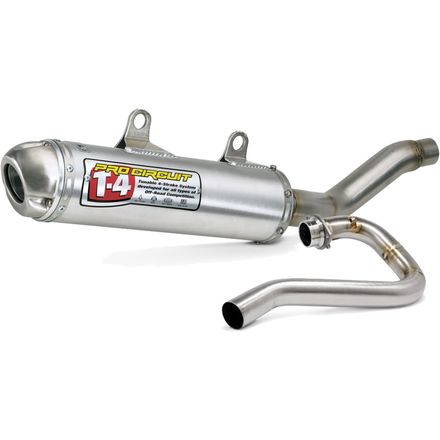
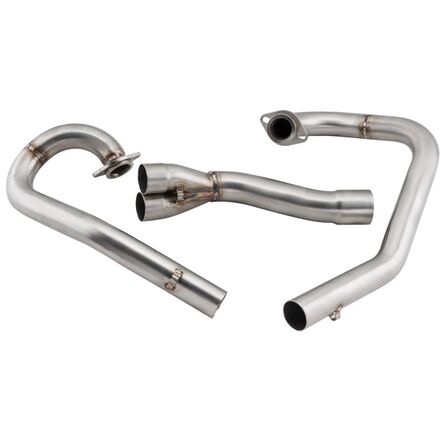
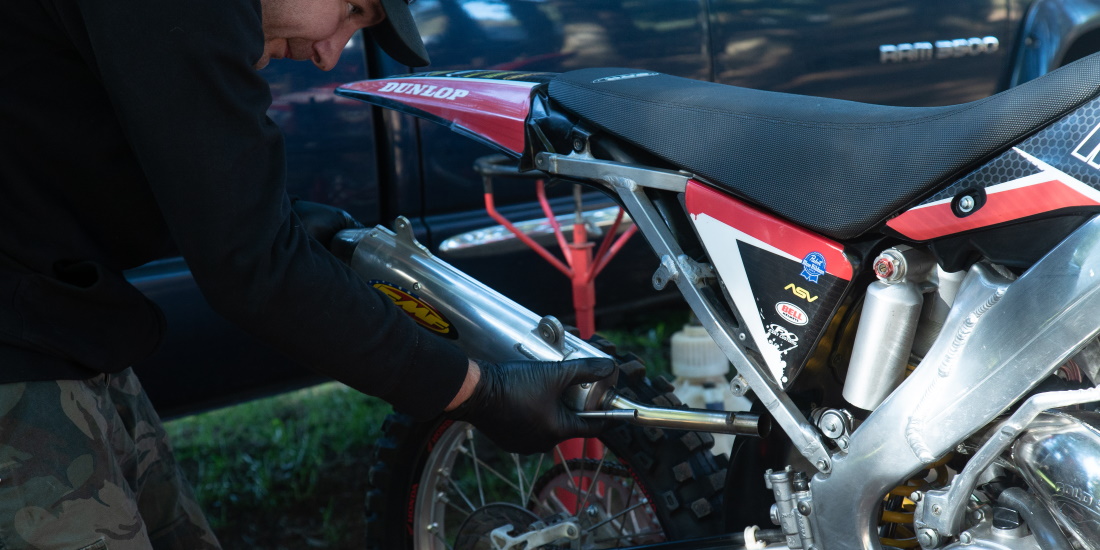
Opt for simpler slip-on installs if you want easier fitment or go full-system for maximum gains, keep sensor tips and connectors clean and securely mounted, inspect for physical damage after heavy use, and choose catalyzed/approved options for street use to stay compliant with emissions rules.