Begin typing to search, when autocomplete results are available use up and down arrows to review and enter to select. Selecting an options will take you to a new page. Touch device users, explore by touch.SEARCH
Search within a riding style, select an optionBegin typing to search, when autocomplete results are available use up and down arrows to review and enter to select. Selecting an options will take you to a new page. Touch device users, explore by touch.
Free shipping on orders over $79 to Illinois
Orders over $79.00 will receive free shipping. This is a residential delivery service, deliveries Monday through Friday from 9:00am to 8:00pm.
How do I pick the right air filter chemical for my UTV air filter?
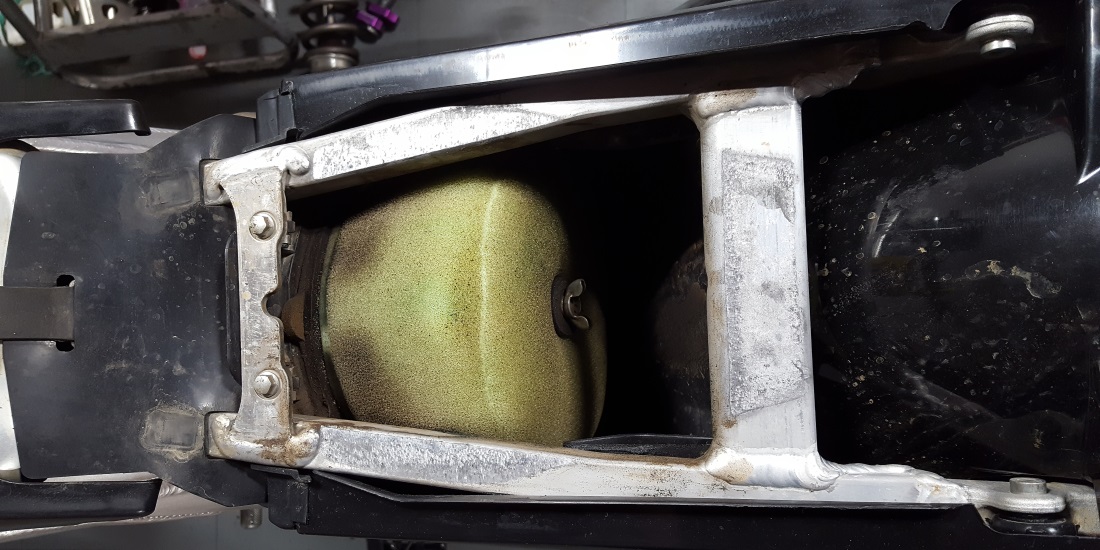
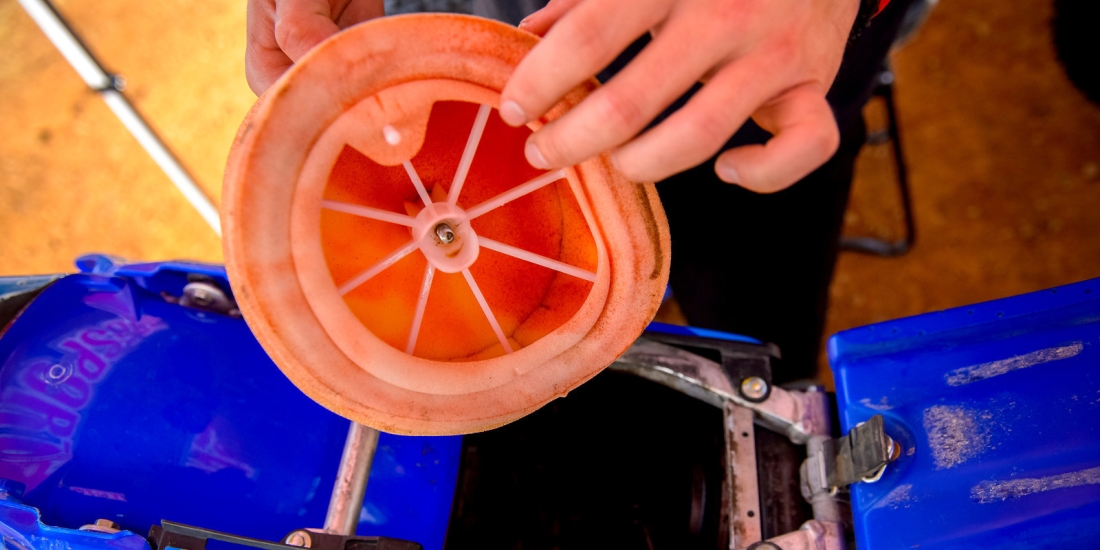
Choose chemicals that match your filter material (foam vs oiled cotton), your primary terrain and weather, and the filter’s sealing design; use foam-safe cleaners/oils for foam filters and precise re-oil kits for oiled cotton to protect filtration, airflow, and prevent oil migration.
What chemical and maintenance routine works best for UTVs used on trails and in mud?
Use foam-specific cleaners and re-oiling products for washable foam filters, clean and re-oil after muddy or dusty rides, inspect sealing edges every service, and avoid excess oil to prevent sensor or migration issues.
If I switch to high-flow filter media, how should I change my cleaner/oil choices?
Match the cleaner and oil to the media—high-flow oiled media needs precise re-oiling and more frequent inspection because it favors airflow over the finest particle capture, and proper sealing is critical to avoid bypass.
How do weather and terrain affect which filter chemicals I should buy?
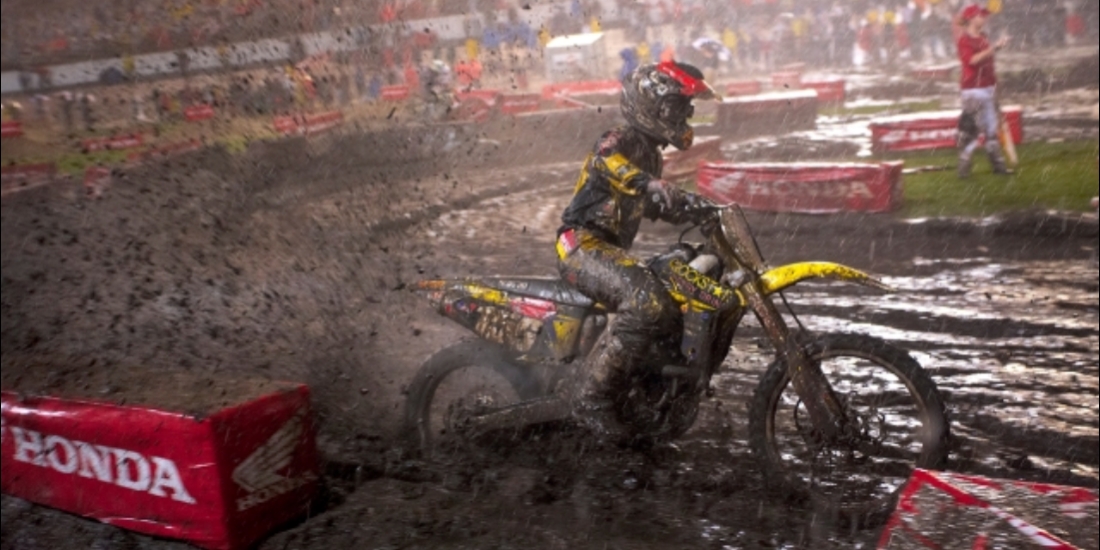
Dry, dusty environments favor foam cleaners and pre-oiling for repeated service, while wet or urban conditions favor high-efficiency dry or carefully managed oiled-cotton kits and tight seals to keep out water and pollution.
What installation and maintenance cues prevent engine issues when using reusable filters and chemicals?
Follow the filter maker’s cleaning steps, let components dry fully, apply the correct amount of oil evenly, verify rubber/foam sealing surfaces at install, and inspect after severe conditions to prevent bypass, oil migration, or sensor interference.