Begin typing to search, when autocomplete results are available use up and down arrows to review and enter to select. Selecting an options will take you to a new page. Touch device users, explore by touch.SEARCH
Search within a riding style, select an optionBegin typing to search, when autocomplete results are available use up and down arrows to review and enter to select. Selecting an options will take you to a new page. Touch device users, explore by touch.
Free shipping on orders over $79 to Illinois
Orders over $79.00 will receive free shipping. This is a residential delivery service, deliveries Monday through Friday from 9:00am to 8:00pm.
What should I prioritize when choosing utility wheel hubs?
Match your exact model/year and verify axle type, brake mount pattern, wheel bolt pattern (or spoke count, if applicable), and drivetrain interface using your manual, measurements, or part numbers—mismatches cause misalignment or failure.
Which hub features handle mud, water, and heavy loads best?
Choose heavy-duty cast/monoblock hubs with sealed cartridge bearings and solid axles; they resist contamination, support higher stress, and reduce maintenance in wet, dirty conditions.
What mounting interfaces must match when replacing a hub?
Confirm the axle interface (splines or diameter), wheel bolt pattern or spoke count, and disc brake mount style, then ensure the hub maintains proper sprocket/drive alignment to prevent wobble or premature wear.
Any installation tips for hubs with brake rotors or sensor rings?
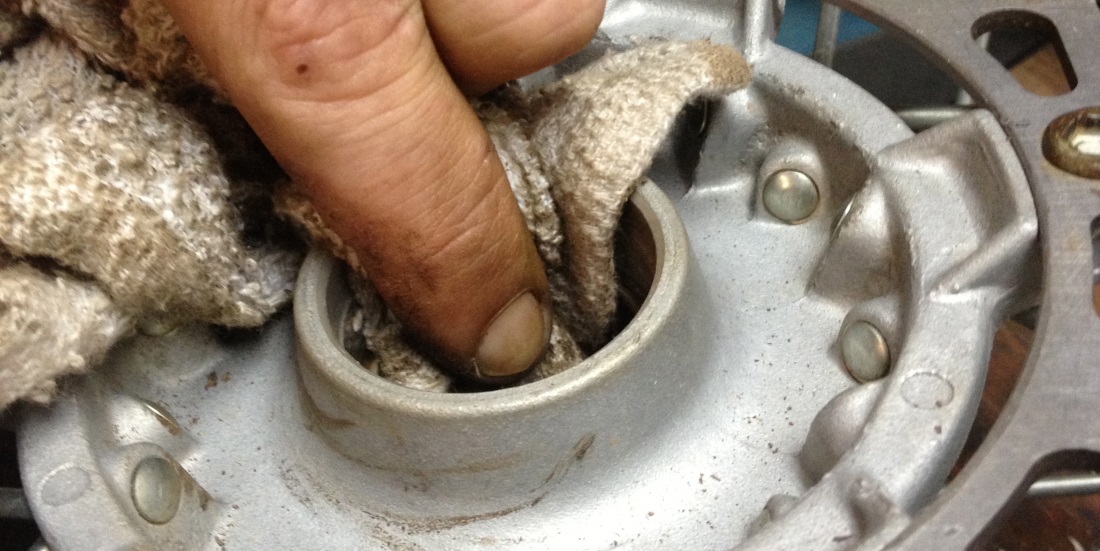
Verify the rotor bolt pattern matches the hub and that caliper alignment stays true; if your vehicle has a sensor ring, ensure the hub accepts it and the gap reads correctly before riding.
How do material and bearing choices impact durability and ride feel?
Aluminum or steel hubs with sealed bearings favor strength, stability, and longevity for work trails, while lightweight CNC options trade some ruggedness for quicker response—prioritize durability and sealing for utility use.