Begin typing to search, when autocomplete results are available use up and down arrows to review and enter to select. Selecting an options will take you to a new page. Touch device users, explore by touch.SEARCH
Search within a riding style, select an optionBegin typing to search, when autocomplete results are available use up and down arrows to review and enter to select. Selecting an options will take you to a new page. Touch device users, explore by touch.
Free shipping on orders over $79 to Illinois
Orders over $79.00 will receive free shipping. This is a residential delivery service, deliveries Monday through Friday from 9:00am to 8:00pm.
How do I choose the right spark plugs for a Utility ATV/UTV?
Start with your manual’s spec for thread size, reach, heat range, electrode gap, and resistor type, then match material and design to how and where you ride to balance easy starts, clean combustion, and longevity.
Which spark plug material is best for Utility use?
Copper delivers a strong spark for basic work, platinum offers longer life and reliable cold starts, iridium excels for extended service and high‑RPM, and multi‑electrode designs keep the spark stable in harsh conditions. Choose based on your maintenance interval and terrain demands.
What heat range works for slow-speed chores, trails, or towing?
A hotter plug helps resist fouling during low‑RPM, stop‑and‑go operation, while a colder plug manages heat under heavy loads, high compression, or sustained high RPM. Always match the recommended range in your manual.
How should I choose for dusty, wet, hot, or cold conditions?
Cold or humid weather favors platinum for dependable starts; hot or high‑load riding benefits from a colder heat range; wet or muddy conditions pair well with multi‑electrode designs for spark stability. For dusty, slow‑speed work, pick anti‑fouling features or a slightly hotter range.
Any install and maintenance tips for Utility spark plugs?
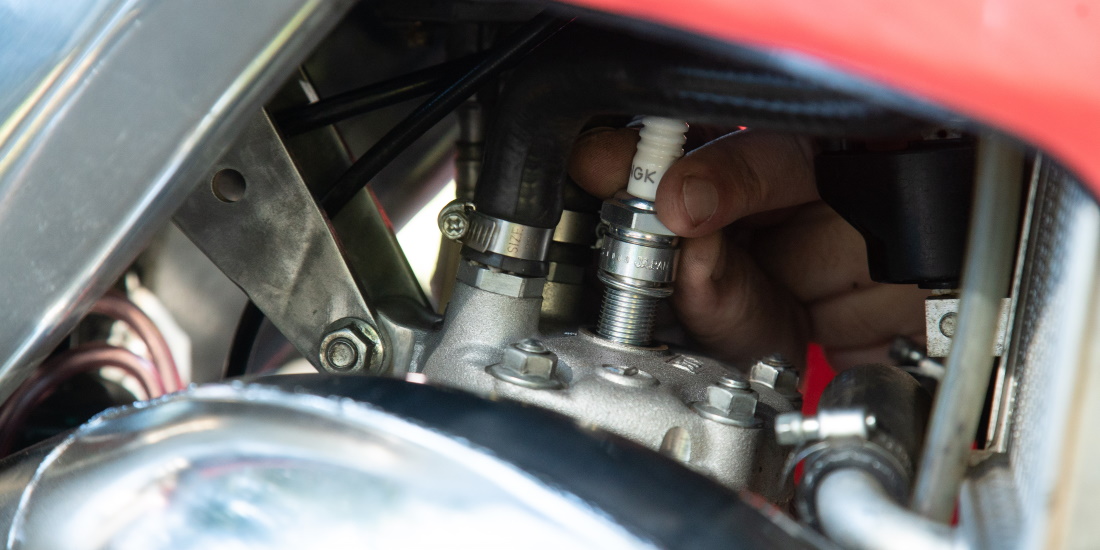
Set the gap to the manufacturer spec with a feeler gauge, start threads by hand, and tighten evenly to seal. Use resistor plugs if electrical noise could affect accessories or electronics, and read old plugs for soot, glazing, or oil to fine‑tune heat range and service intervals.