Begin typing to search, when autocomplete results are available use up and down arrows to review and enter to select. Selecting an options will take you to a new page. Touch device users, explore by touch.SEARCH
Search within a riding style, select an optionBegin typing to search, when autocomplete results are available use up and down arrows to review and enter to select. Selecting an options will take you to a new page. Touch device users, explore by touch.
Free shipping on orders over $79 to Illinois
Orders over $79.00 will receive free shipping. This is a residential delivery service, deliveries Monday through Friday from 9:00am to 8:00pm.
What key spring specs should I check before buying shock springs?
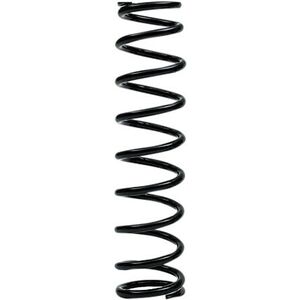
Confirm the spring rate matches your total ridden weight and riding style, verify free length and inner diameter match your shock, and choose durable materials and corrosion-resistant finishes for long life.
Which spring type is best for street, trail, or mixed-utility riding?
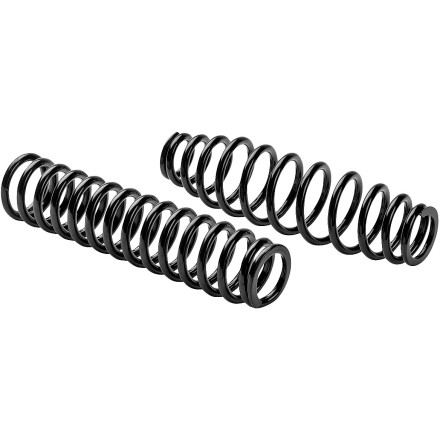
Progressive-rate springs suit street and mixed-utility use for comfort and bottoming resistance, while linear-rate springs deliver predictable response for aggressive or track-focused riding; pick the type that matches your primary terrain and control needs.
How should utility and ATV/UTV riders pick shock springs for varied loads and terrain?
Choose springs with robust materials and adequate stroke capacity to prevent coil binding, favor preload-adjustable options for changing cargo or passenger loads, and select rates designed for frequent low-speed impacts and rough off-road surfaces.
What should I know about installation and routine care for aftermarket shock springs?
Installation requires correct alignment and clearance checks and basic tools, and regular inspections for coating damage, fatigue, and proper preload settings will extend service life and maintain handling.
How do aftermarket springs interact with other suspension upgrades?
Springs must be matched to your shock’s damping characteristics and any stiffer or heavier components—upgrading springs often requires complementary valving or shock adjustments to preserve balance and control.