Begin typing to search, when autocomplete results are available use up and down arrows to review and enter to select. Selecting an options will take you to a new page. Touch device users, explore by touch.SEARCH
Search within a riding style, select an optionBegin typing to search, when autocomplete results are available use up and down arrows to review and enter to select. Selecting an options will take you to a new page. Touch device users, explore by touch.
Free shipping on orders over $79 to Illinois
Orders over $79.00 will receive free shipping. This is a residential delivery service, deliveries Monday through Friday from 9:00am to 8:00pm.
How do I choose handlebars that match my body and riding posture?
Select a width close to your shoulder span and pick rise and pullback that put your hands level with your arms for a natural grip; taller riders generally favor straighter sweep while shorter riders often need more pullback. Sit on the bike and check comfort and reach before deciding to reduce fatigue and improve control.
What handlebar specifications should I confirm in the product details?
Confirm the bar diameter matches your clamps and control housings, check overall width and center clamping area for risers or fairings, and review rise/pullback and wall construction for posture and strength; also look for corrosion-resistant finishes.
Which handlebar styles work best for utility and off‑road use?
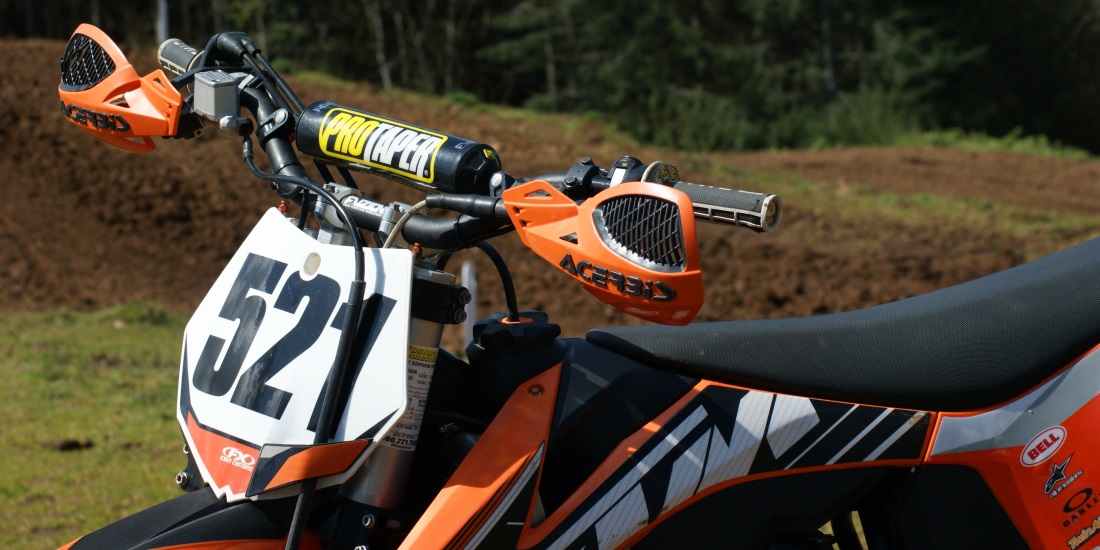
Wide riser and motocross-style bars or cross-braced designs offer better leverage, impact resistance, and room for handguards on rough terrain, while strength and clearance for risers and switchgear should guide your choice.
How do materials and finishes affect performance across terrain and weather?
Steel tends to damp vibration and resist impact, aluminum saves weight and feels more responsive but can transmit more vibration, and stainless or protected finishes give the best corrosion resistance for wet or salty conditions.
What should I inspect during installation and ongoing maintenance to ensure safe performance?
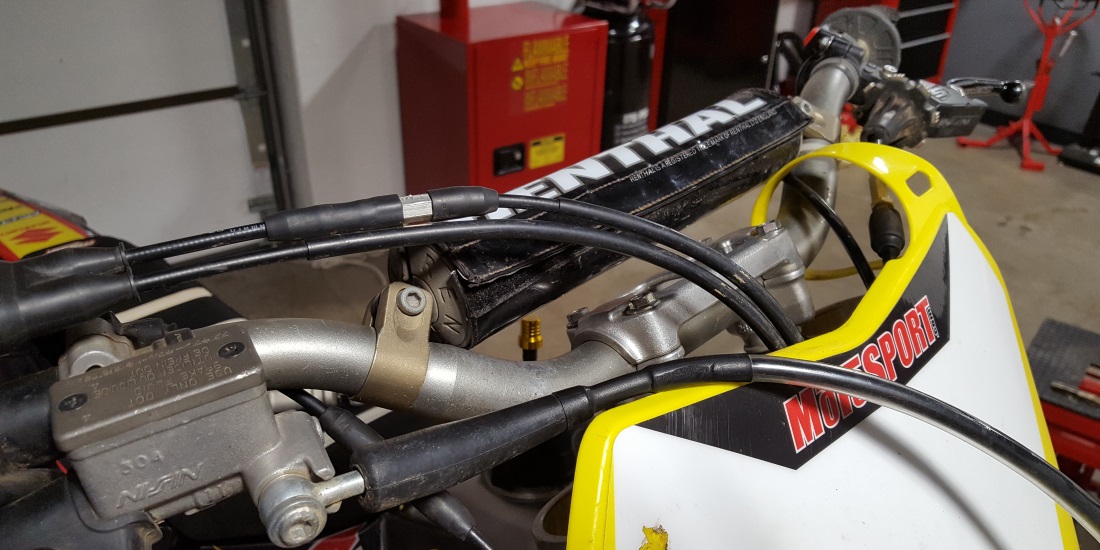
Check alignment and clearances so controls and cables move freely without binding, verify clamp areas and routing for smooth bends, keep finishes clean and corrosion-free after exposure, and secure clamps to the manufacturer’s recommended tightness.