Begin typing to search, when autocomplete results are available use up and down arrows to review and enter to select. Selecting an options will take you to a new page. Touch device users, explore by touch.SEARCH
Search within a riding style, select an optionBegin typing to search, when autocomplete results are available use up and down arrows to review and enter to select. Selecting an options will take you to a new page. Touch device users, explore by touch.
Free shipping on orders over $79 to Illinois
Orders over $79.00 will receive free shipping. This is a residential delivery service, deliveries Monday through Friday from 9:00am to 8:00pm.
Which brake pad compound works best for utility ATVs/UTVs in mud, water, and heavy loads?
Sintered pads deliver strong bite, long life, and stable performance when wet or hot—ideal for hauling, towing, and muddy chores. Organic pads are quieter for light-duty use but wear faster; ceramic pads handle heat well for demanding descents.
What rotor design is ideal for utility use and frequent stop-start work?
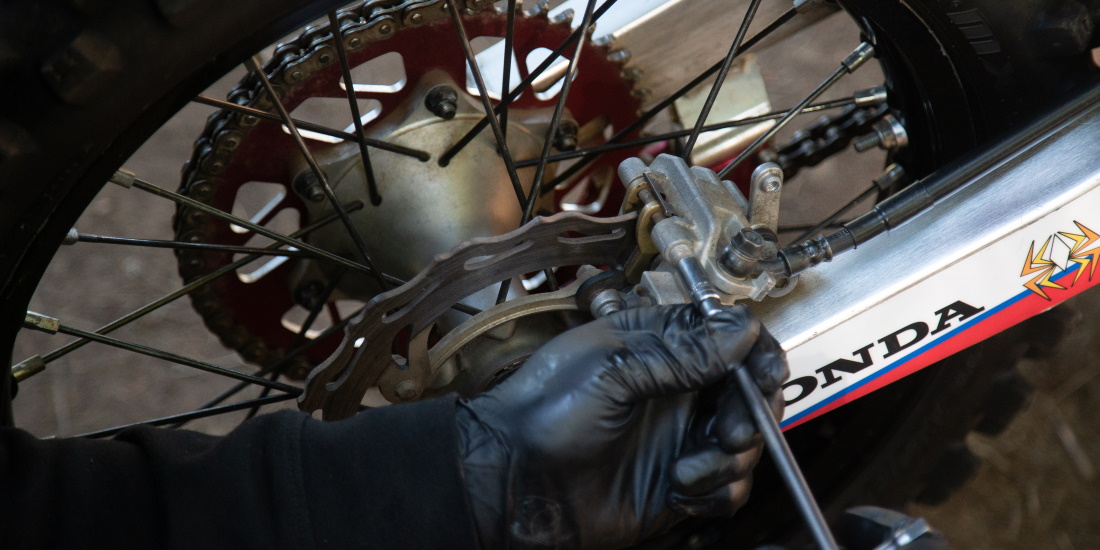
Stainless steel rotors with floating carriers manage heat better and resist warping under load; lobed or drilled patterns help shed mud and cool faster. Fixed rotors are a cost-effective choice for lighter duty.
Are stainless braided brake lines a smart upgrade on a working quad/side-by-side?
Yes—braided lines reduce expansion for a firmer lever/pedal feel and more consistent braking on long, hot jobs. They’re also more abrasion-resistant; just verify clean routing with suspension travel, guards, and racks.
What maintenance should I do to keep utility brakes consistent in mud and wet conditions?
Rinse components after muddy rides, inspect pads for embedded grit, and clean/lube caliper slide pins to prevent sticking. Check fluid condition regularly and replace if contaminated; re-bed pads/rotors after installation for smooth performance.
Do brake discs and pads need any certification for road-legal utility machines?
For mixed on-road use, look for components carrying ECE R90 compliance to confirm tested, consistent braking. It’s a strong quality marker even if your machine is primarily off-road.