Begin typing to search, when autocomplete results are available use up and down arrows to review and enter to select. Selecting an options will take you to a new page. Touch device users, explore by touch.SEARCH
Search within a riding style, select an optionBegin typing to search, when autocomplete results are available use up and down arrows to review and enter to select. Selecting an options will take you to a new page. Touch device users, explore by touch.
Free shipping on orders over $79 to Illinois
Orders over $79.00 will receive free shipping. This is a residential delivery service, deliveries Monday through Friday from 9:00am to 8:00pm.
Which brake pad compound works best for utility work, towing, and mixed trail riding?
Sintered pads deliver the strongest stopping power and durability in mud and wet conditions; semi-sintered balances heat resistance with smooth initial bite; organic pads are quieter and more forgiving for light-duty use.
What rotor material and design should I choose for utility riding?
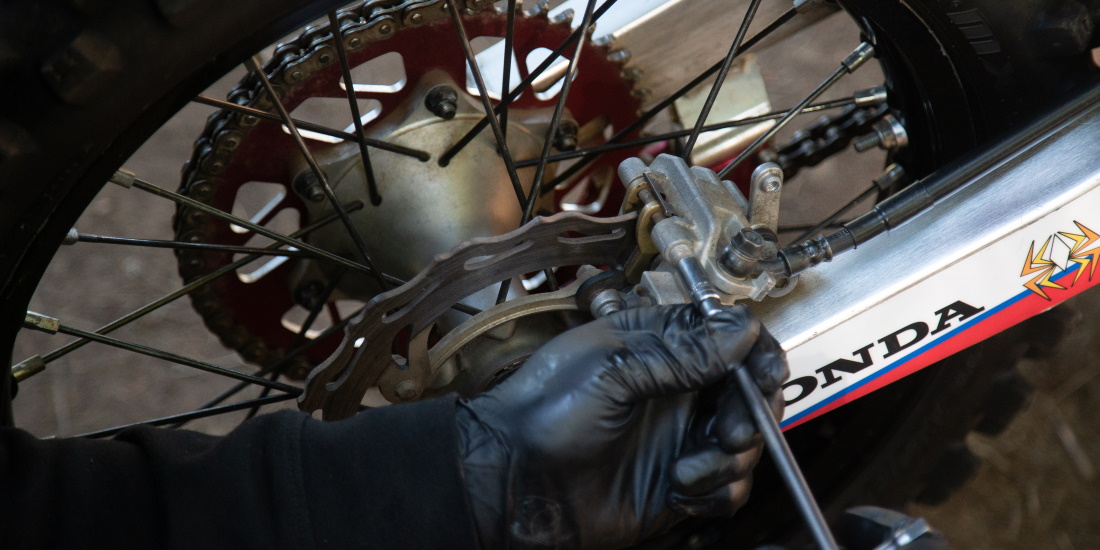
Stainless steel rotors are the go-to for corrosion resistance and consistent performance, and slotted or drilled patterns help shed water, mud, and heat; cast iron bites hard but needs more care, while carbon-ceramic is overkill for everyday utility use.
Will braided stainless brake lines help on a utility ATV/UTV?
Yes—braided lines reduce hose expansion for a firmer lever and more consistent braking under load, heat, or with heavier wheels and cargo.
Any best practices for installing new brake components on a utility machine?
Clean calipers, pins, and seals, keep pad and rotor surfaces free of grease, bleed with fresh fluid specified for your machine, then bed-in the brakes with smooth, progressive stops and recheck lever feel.
How should I maintain utility brakes used in mud, water, and heavy work?
Rinse off grit after rides, inspect pads for thickness and glazing, check rotors for scoring or pulsing, and replace components when stopping power fades, noise persists, or lever feel becomes inconsistent.