Begin typing to search, when autocomplete results are available use up and down arrows to review and enter to select. Selecting an options will take you to a new page. Touch device users, explore by touch.SEARCH
Search within a riding style, select an optionBegin typing to search, when autocomplete results are available use up and down arrows to review and enter to select. Selecting an options will take you to a new page. Touch device users, explore by touch.
Free shipping on orders over $79 to Illinois
Orders over $79.00 will receive free shipping. This is a residential delivery service, deliveries Monday through Friday from 9:00am to 8:00pm.
Which brake pad materials work best for utility ATVs/UTVs across mud, snow, and work duty?
Sintered pads bite hardest and stay consistent in wet, muddy conditions and with heavy loads; ceramic suits mixed terrain with strong fade resistance; semi‑metallic organic delivers smooth, quiet stopping for everyday chores. Choose the compound that matches your terrain and braking intensity.
Should utility riders upgrade to wavy or performance brake rotors?
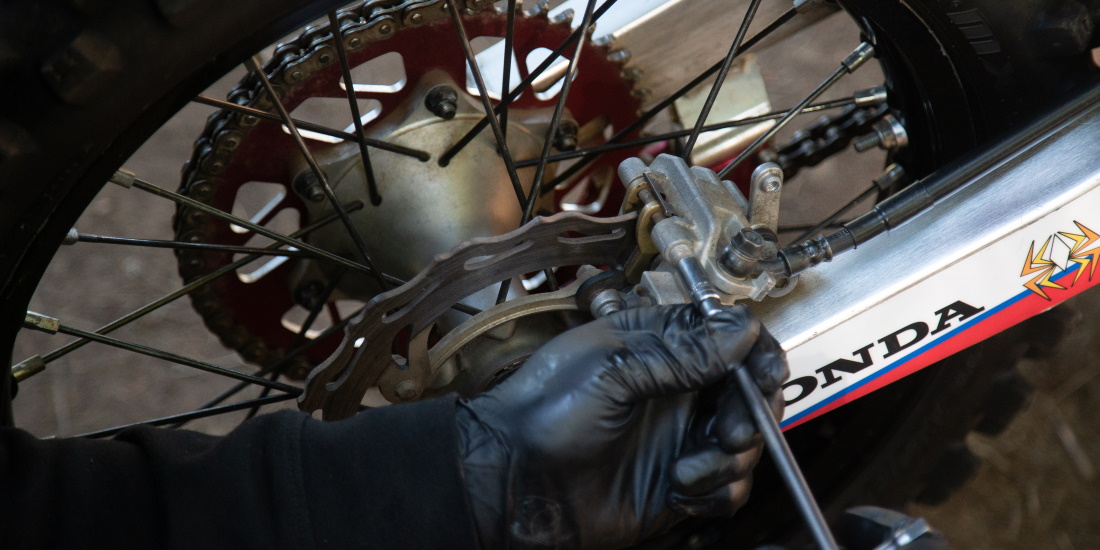
Wavy/perforated rotors shed heat and debris faster for more consistent stops on hills and in water crossings, with quicker pad bed‑in and fewer vibrations. They’re a smart pick for towing, plowing, and frequent stop‑and‑go work.
Are steel braided brake lines worth it on a utility machine?
Yes—braided lines resist expansion for a firmer, repeatable lever feel under heat and load, and they work with modern ABS/combined systems. Ensure routing clears racks, guards, and any lift or bar changes during installation.
What upkeep keeps utility brake accessories performing in harsh conditions?
After muddy or sandy rides, rinse rotors/calipers, check pads for glazing or uneven wear, and look for rotor scoring. If the lever feels spongy, bleed the system and inspect lines and fittings for damage.
How do common utility mods affect brake accessory choices?
Bigger tires, added cargo, plows, or towing increase braking demands—choose higher‑friction pads and heat‑dissipating rotors to maintain control. Check caliper/rotor clearance with wheel changes and confirm line routing isn’t stretched by lifts or handguards.