Begin typing to search, when autocomplete results are available use up and down arrows to review and enter to select. Selecting an options will take you to a new page. Touch device users, explore by touch.SEARCH
Search within a riding style, select an optionBegin typing to search, when autocomplete results are available use up and down arrows to review and enter to select. Selecting an options will take you to a new page. Touch device users, explore by touch.
Free shipping on orders over $79 to Illinois
Orders over $79.00 will receive free shipping. This is a residential delivery service, deliveries Monday through Friday from 9:00am to 8:00pm.
What key attributes should I evaluate when choosing a 4‑stroke spark arrestor?
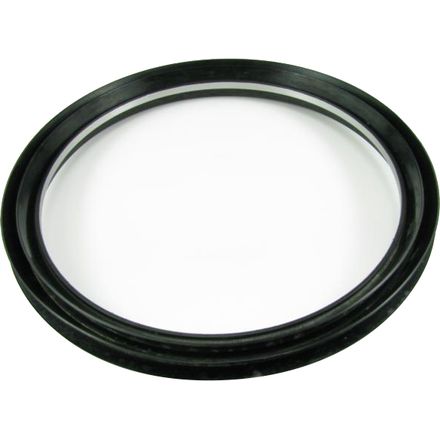
Prioritize exhaust outlet compatibility and a design suited to straight or sharply bent outlets, choose corrosion- and heat-resistant materials, and pick a particle-retention style that balances spark capture with airflow and serviceability.
How do material and finish choices affect longevity in different climates?
Stainless and other high‑temperature alloys resist corrosion and heat better in damp or hot environments, while coated or softer metals may require more frequent inspection and replacement in wet or salty conditions.
Which arrestor types work best for light trail riding versus heavy-duty or continuous use?
Replaceable mesh inserts are ideal for recreational trail use because they’re simple and serviceable, whereas centrifugal or bolt‑on designs with inspection access are better suited to heavy-duty, continuous, or commercial applications to reduce clogging and maintenance.
What maintenance and inspection should I expect after installation?
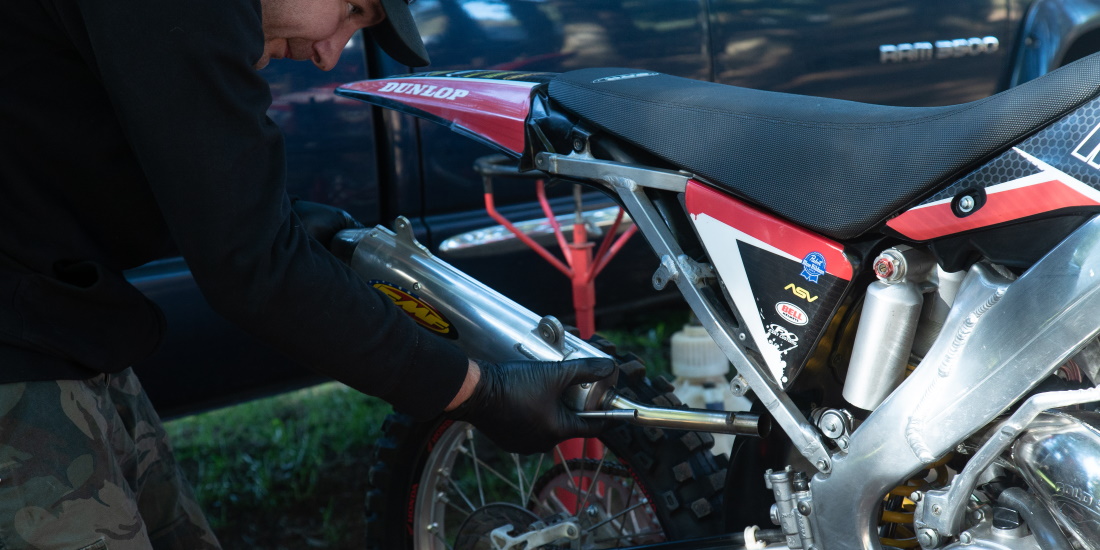
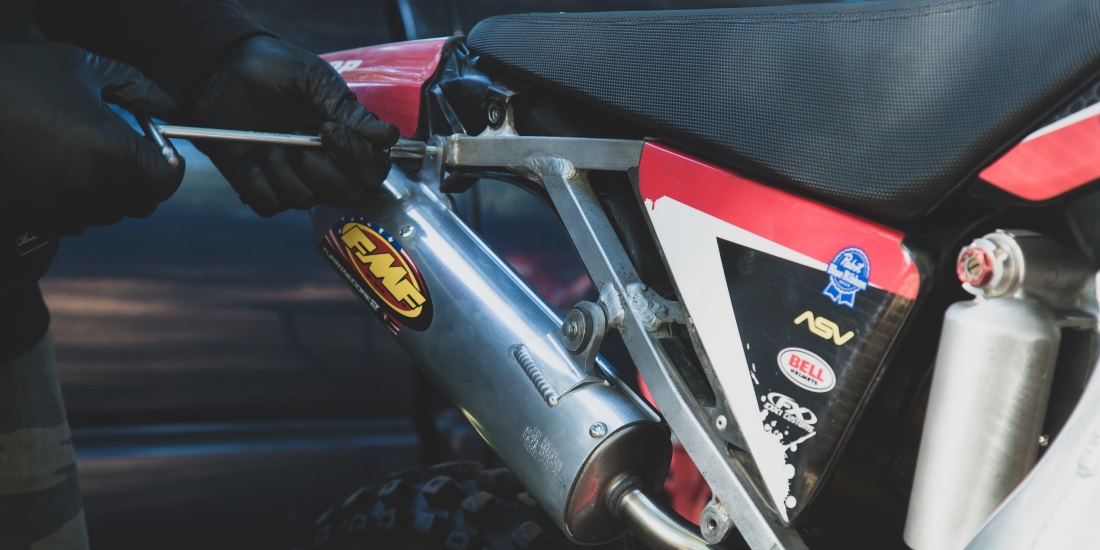
Choose removable designs with accessible clamps or inspection ports for easy cleaning, perform routine visual checks for damage and clogs, and maintain the unit with basic tools to meet trail and land‑use requirements.
How do common exhaust modifications and riding conditions affect arrestor selection?
Higher‑flow or high‑temperature exhaust setups and compact mufflers call for heat‑tolerant, low‑restriction arrestors or stubby designs, while riding in fire‑prone or heavily vegetated areas favors certified, fine‑retention units that are still easy to clean.