Begin typing to search, when autocomplete results are available use up and down arrows to review and enter to select. Selecting an options will take you to a new page. Touch device users, explore by touch.SEARCH
Search within a riding style, select an optionBegin typing to search, when autocomplete results are available use up and down arrows to review and enter to select. Selecting an options will take you to a new page. Touch device users, explore by touch.
Free shipping on orders over $79 to Illinois
Orders over $79.00 will receive free shipping. This is a residential delivery service, deliveries Monday through Friday from 9:00am to 8:00pm.
Are mountain bike handlebars safe to use on motorcycles?
Mountain bike handlebars are generally incompatible with motorcycles because they differ in diameter, width, bend and mounting standards, so choose motorcycle-specific handlebars for safe fit and control.
How do I pick handlebar width, rise and sweep for my body and riding style?
Match width to shoulder breadth for relaxed elbows, choose more rise and sweep for upright or shorter riders, and pick straighter, lower bars for taller riders or aggressive posture; consider terrain when prioritizing leverage versus aerodynamic control.
Which product specs on the page should I check before buying?
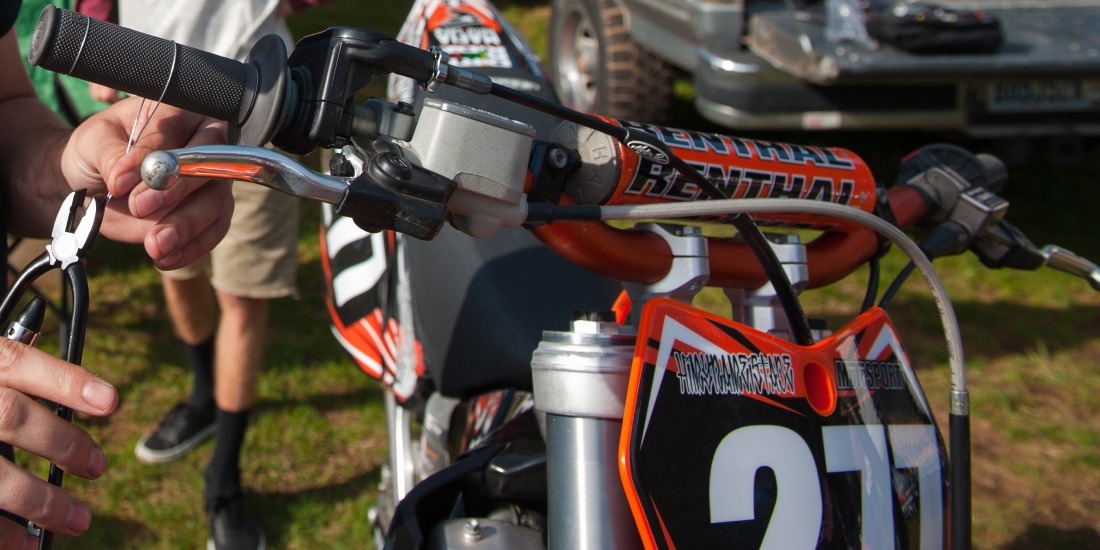
Look at handlebar diameter and clamp center, overall width, rise and pullback (sweep), wall thickness and seam quality, and surface finish or knurling to ensure clamp compatibility, grip security and impact resistance.
What handlebar styles work best for different ride types and terrain?
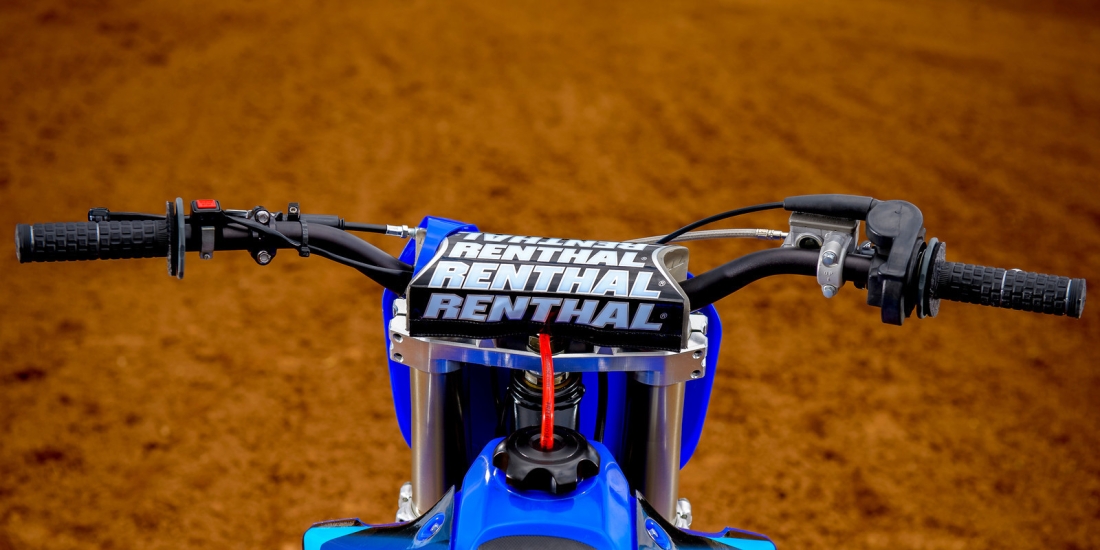
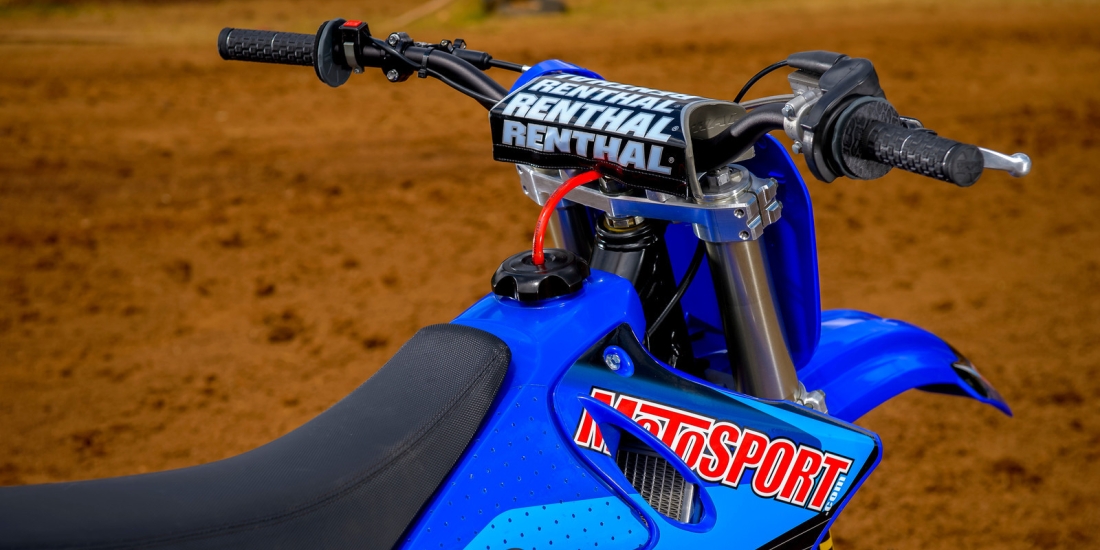
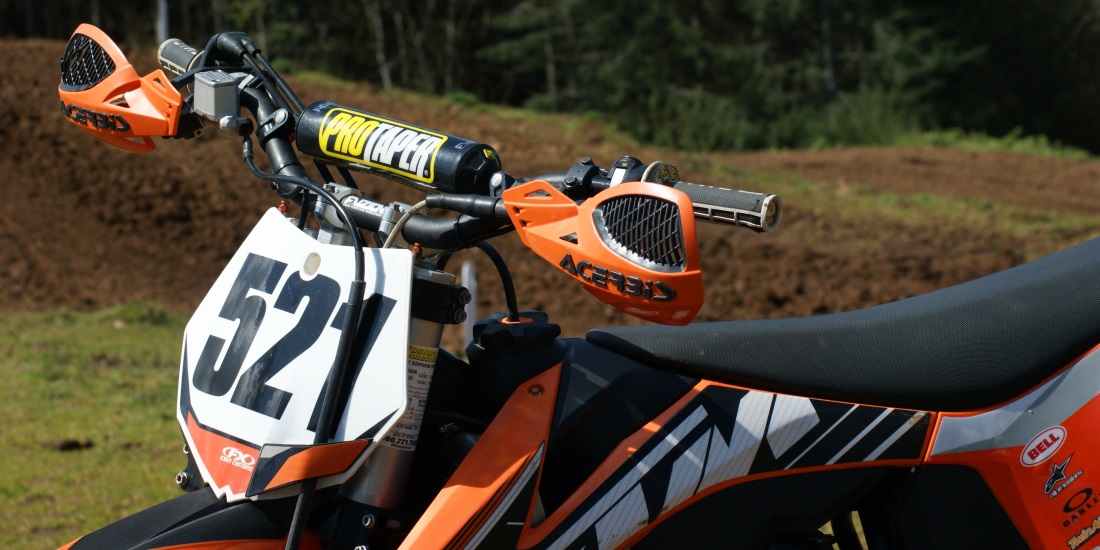
Motocross-style riser bars with cross-braces suit rough off-road and standing riding for strength and handguard clearance; moderate risers or T-bars balance control on mixed pavement and trails; clip-ons or drag bars favor aggressive track posture, while taller cruiser styles provide upright comfort in urban riding.
How do materials and finishes affect durability and maintenance?
Choose corrosion-resistant finishes or stainless options for wet or salty conditions, steel when vibration damping and impact resilience matter, and aluminum when low weight and stiffness are priorities; inspect clamps and the bar surface regularly and keep contact areas clean to extend service life.