Begin typing to search, when autocomplete results are available use up and down arrows to review and enter to select. Selecting an options will take you to a new page. Touch device users, explore by touch.SEARCH
Search within a riding style, select an optionBegin typing to search, when autocomplete results are available use up and down arrows to review and enter to select. Selecting an options will take you to a new page. Touch device users, explore by touch.
Free shipping on orders over $79 to Illinois
Orders over $79.00 will receive free shipping. This is a residential delivery service, deliveries Monday through Friday from 9:00am to 8:00pm.
Are mountain bike cassettes compatible with motorcycles, dirt bikes, ATVs, UTVs, street bikes, or cruisers?
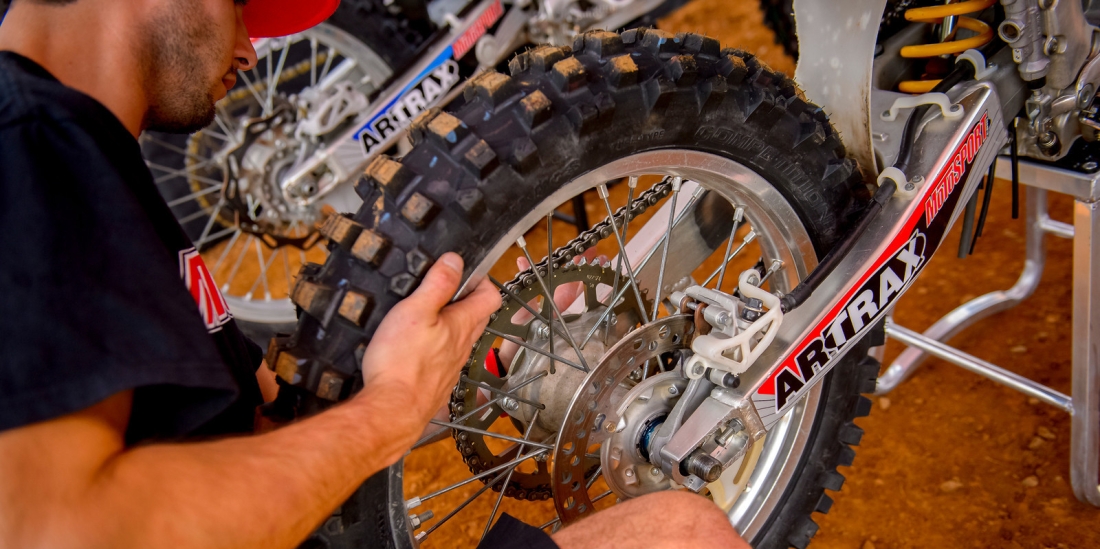
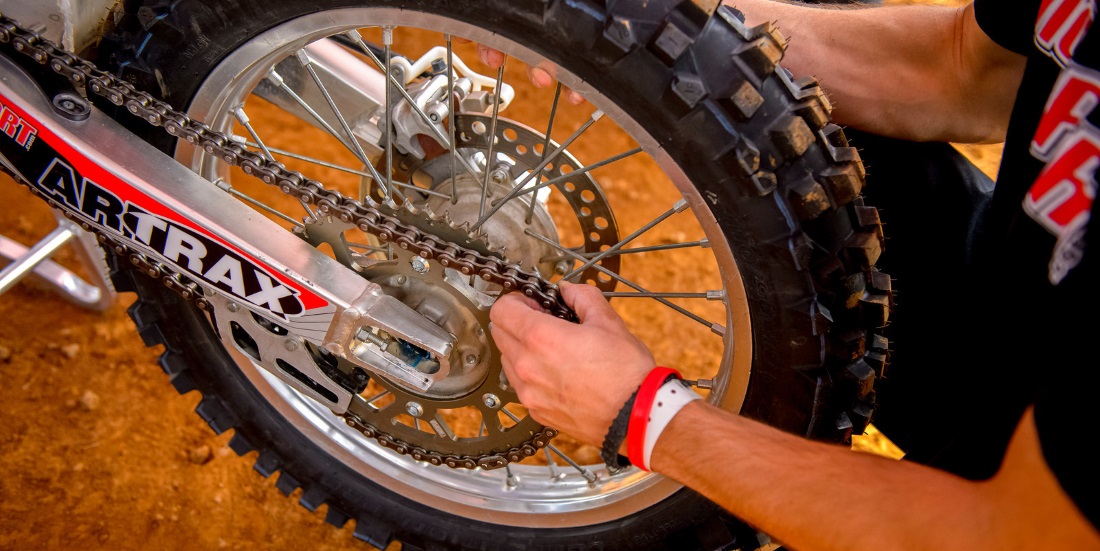
No—mountain bike cassettes are incompatible with motorcycle and off-road vehicle drivetrains and are unsuitable for those platforms, since motorcycles use chains and sprockets with different tooth profiles, spacing, and mounting systems so cassettes won’t fit or function.
How do I choose a cassette for steep, muddy, or technical trail riding?
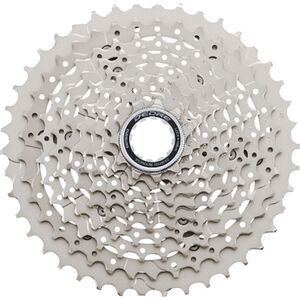
Pick a wide-range mountain bike cassette designed for climbing and technical terrain, prioritize robust materials and good chain retention, and match the cassette’s gear spread to the type of climbs and technical sections you ride.
Which cassette materials or finishes work best for frequent wet or gritty conditions?
Steel or hardened steel cassettes and corrosion-resistant treatments offer the best durability in muddy, gritty, or wet riding, while lighter alloys or titanium save weight at the cost of faster wear under harsh conditions.
What maintenance keeps a cassette lasting through rough trails and wet weather?
Regular cleaning and drying after wet rides, proper chain lubrication, routine inspection for wear, and replacing a worn chain promptly will extend cassette life and preserve shifting performance.
What should I check when upgrading a cassette or making drivetrain modifications?
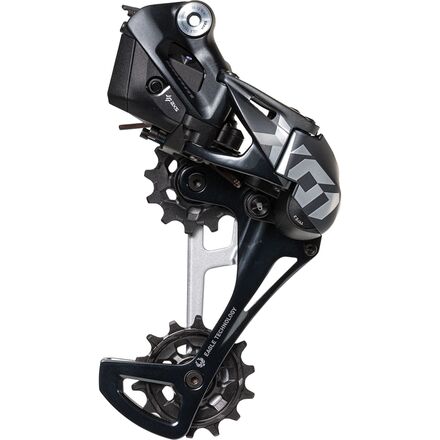
Ensure the new cassette matches your drivetrain’s speed and freehub interface, confirm derailleur capacity and chain condition, verify alignment and clearances, and consider a heavier-duty chain or finish if you ride rough terrain frequently.