Begin typing to search, when autocomplete results are available use up and down arrows to review and enter to select. Selecting an options will take you to a new page. Touch device users, explore by touch.SEARCH
Search within a riding style, select an optionBegin typing to search, when autocomplete results are available use up and down arrows to review and enter to select. Selecting an options will take you to a new page. Touch device users, explore by touch.
Free shipping on orders over $79 to Illinois
Orders over $79.00 will receive free shipping. This is a residential delivery service, deliveries Monday through Friday from 9:00am to 8:00pm.
What caliper types are best for different riding styles?
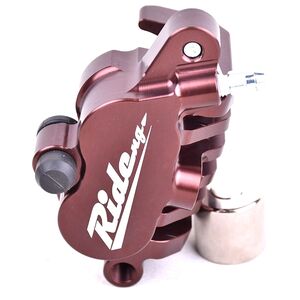
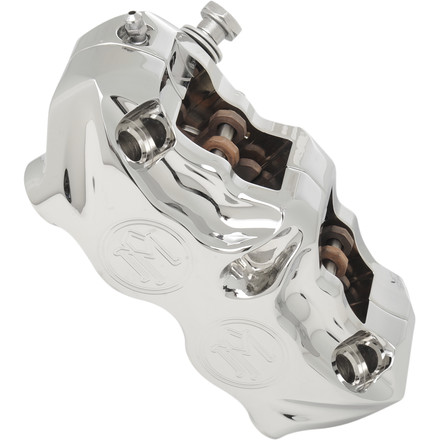
Choose floating axial or sealed sliding calipers with single, dual, or multi‑piston layouts for everyday, touring, and off‑road use, and opt for fixed radial multi‑piston calipers for aggressive sport or track riding to improve modulation and heat control.
How should material, piston construction, and seals guide my selection for weather and terrain?
Pick aluminum bodies for lower unsprung weight, steel or coated pistons and silicone/high‑temperature seals for wet or salty environments, and anodized or coated finishes to resist corrosion in dusty, gravel, or coastal conditions.
What tech specs matter when matching calipers to rotors and mounting setups?
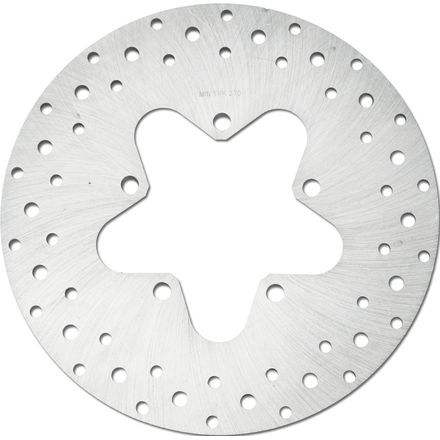
Verify rotor diameter and thickness, floating versus solid rotor type, mounting lug/bolt pattern and spacing, and check for road‑legal homologation and pad compatibility to ensure proper geometry and braking performance.
For a specific platform (street, adventure, dirt, sport), what caliper features aid serviceability and durability?
Street and commuter riders should favor easy‑to‑service floating calipers with corrosion‑resistant seals; adventure riders need sealed sliding calipers with bleed access and durable finishes; off‑road platforms benefit from lightweight calipers with dust seals and lubricated slide pins; track setups require stiff, multi‑piston radial designs and robust cooling features.
Will upgrading calipers require changes to other braking components?
Upgrades often require matching brake lines, compatible master cylinder characteristics for lever feel, appropriate rotor type and pad compounds, and attention to weight and clearance so you maintain safe geometry and consistent braking behavior.