Begin typing to search, when autocomplete results are available use up and down arrows to review and enter to select. Selecting an options will take you to a new page. Touch device users, explore by touch.SEARCH
Search within a riding style, select an optionBegin typing to search, when autocomplete results are available use up and down arrows to review and enter to select. Selecting an options will take you to a new page. Touch device users, explore by touch.
Free shipping on orders over $79 to Illinois
Orders over $79.00 will receive free shipping. This is a residential delivery service, deliveries Monday through Friday from 9:00am to 8:00pm.
Yes, people ride in the cold. And some even ride when it snows! But certainly not in their regular riding gear. Winter motorcycle gear includes base layers and liners that keep you warm and insulated from the cold. Layer from the inside out and choose from base shorts to cozy long-sleeved shirts. Then you can decide the thickness and type of jacket you might need to further protect from the elements. If base layers don't cut it, you can always go with a selection of heated motorcycle gear.
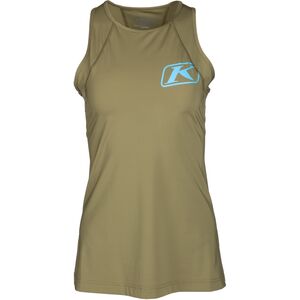
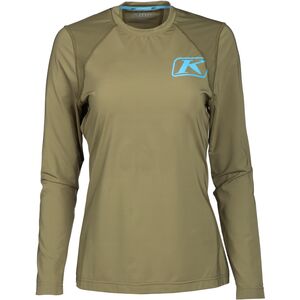
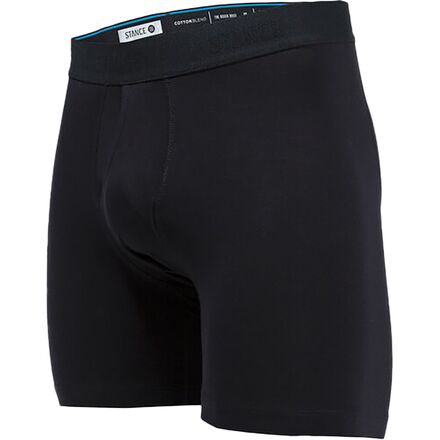
Motorcycle base layers and liners fit underneath your regular gear and resemble a type of moisture wicking underwear. Plenty of ventilation too so you don't overheat. If you have question on the best type of winter motorcycle gear or wearing base layers, give a gearhead a call at 503-783-5645 and we'll get you some answers. Use the size chart on the individual product page as sizing varies from brand to brand.
What materials and tech should I look for in motorcycle base layers and liners?
Choose Merino wool for wide temperature versatility and odor resistance, or polyester/elastane blends for fast-wicking stretch and light insulation. Look for mesh panels in high-heat zones and phase-change fabrics that absorb/release heat for steadier comfort.
How do I choose base layers for hot, cold, or mixed weather?
Hot: thin, quick-dry pieces with mesh in armpits and legs for airflow. Cold: thicker or brushed knits, or Merino blends, to trap warmth without feeling clammy; for mixed conditions, versatile Merino or phase-change layers pair well with breathable shells.
How should these fit under leathers, textiles, and armor?
A snug, “second skin” fit wicks best, reduces bulk, and prevents chafing from seams under armor. Ensure full mobility at shoulders, hips, and knees, with no bunching at cuffs so they slide cleanly into boots and gloves.
What should different riders focus on—dirt, ADV/touring, ATV/UTV, or street?
Off-road/dirt: prioritize highly breathable fabrics with perforation in heat-build areas; street/highway: fuller coverage for consistent airflow and buffering under leathers. ADV/touring: packable, fast-drying layers for multi-day use; ATV/UTV: slightly looser cuts for seated comfort without wrinkles.
How do I layer and care for base layers to maintain performance?
Start with a thin wicking base, add a fleece or lightweight insulated mid-layer as needed, and finish with a breathable waterproof shell—keep profiles thin to avoid bulk under armor. Wash per label, avoid fabric softeners, and air dry to preserve wicking and stretch; they also help prevent clamminess under heated liners.