Begin typing to search, when autocomplete results are available use up and down arrows to review and enter to select. Selecting an options will take you to a new page. Touch device users, explore by touch.SEARCH
Search within a riding style, select an optionBegin typing to search, when autocomplete results are available use up and down arrows to review and enter to select. Selecting an options will take you to a new page. Touch device users, explore by touch.
Free shipping on orders over $79 to Illinois
Orders over $79.00 will receive free shipping. This is a residential delivery service, deliveries Monday through Friday from 9:00am to 8:00pm.
How should I prioritize features when choosing e-balance bike wheels?
Start by confirming compatibility with your bike’s model, diameter and electric/lightweight design, then match material, construction, and rim width to your intended terrain and riding style for safety and handling.
Which wheel materials work best for kid-focused electric balance bikes?
Aluminum offers the best balance of durability, affordability, and low maintenance for young riders, while carbon delivers lighter weight and performance for advanced training—avoid magnesium unless racing-level durability is required.
What construction type is best for off‑road training versus pavement?
Choose spoked or laced wheels for off‑road and dirt training to absorb shocks and handle rough terrain, and opt for alloy/cast constructions for smoother pavement rides where straight-line stability and speed matter.
How do hubs, bearings, and wheel weight affect electric balance bike performance?
Aluminum hubs with ball bearings favor lightweight electric setups and quicker acceleration, while steel hubs and roller bearings suit heavier or higher‑power builds; overall, lighter wheels help training responsiveness and heavier wheels add trail stability.
What should I inspect and adjust when installing e-balance bike wheels and how do common mods interact with them?
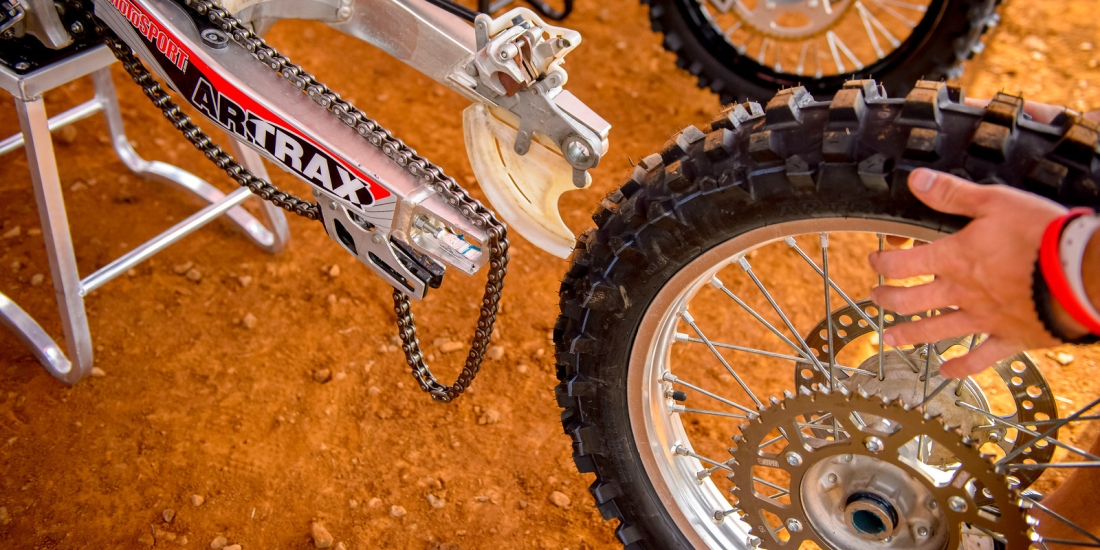
Check alignment, clearance, brake engagement and wheel spin after installation, maintain sealed bearings and spoke tension, and remember that heavier batteries or higher‑torque motors may call for sturdier hubs, bearings, and wider rims to preserve safety and longevity.