Begin typing to search, when autocomplete results are available use up and down arrows to review and enter to select. Selecting an options will take you to a new page. Touch device users, explore by touch.SEARCH
Search within a riding style, select an optionBegin typing to search, when autocomplete results are available use up and down arrows to review and enter to select. Selecting an options will take you to a new page. Touch device users, explore by touch.
Free shipping on orders over $79 to Illinois
Orders over $79.00 will receive free shipping. This is a residential delivery service, deliveries Monday through Friday from 9:00am to 8:00pm.
Use a temperature gauge to monitor your dirt bike's engine temperature and prevent overheating while ensuring optimal performance. MotoSport offers a range of temperature sensors to help you keep your engine running safely with accurate readings from -40°C to 300°C (-40°F to 575°F) and features like an easy-to-read LCD display. Some install into your bike's fluid line to monitor coolant temperatures directly. Call a gearhead if you have questions on figuring out the right temperature gauge for your dirt bike. Investing in a quality temperature sensor helps maintain your dirt bike's engine health. Explore our full range of temperature sensors and accessories to keep your bike performing at its best.
What types of dirt bike temperature sensors are available, and how do I choose?
Common options are thermocouples (rugged, wide range), thermistors (higher sensitivity within a tighter range), and RTDs (very accurate, linear output). Choose based on the temps you expect to see and the signal your gauge or ECU requires.
Where should I place a temperature sensor on a dirt bike, and what will it measure?
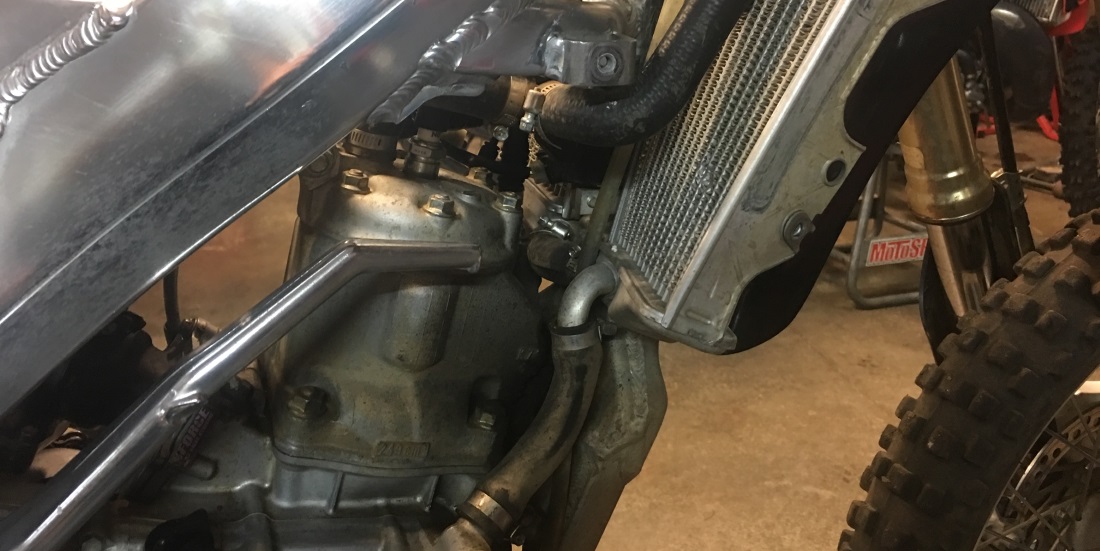
Cylinder-head locations read metal/head temperature, inline hose adapters read coolant temperature, and oil ports read oil temperature. Pick the spot that matches what you want to monitor and keep wiring protected from heat and vibration.
What specs matter for off-road riding in mud, water, and rough terrain?
Look for sealed connectors, corrosion-resistant materials, and vibration-resistant construction with protected wiring. Ensure the operating range covers cold starts through slow, high-heat climbs.
Is installation straightforward on a dirt bike?
Most sensors thread into an existing port or use an inline radiator-hose adapter and basic hand tools. If the cooling system is opened, plan to bleed it and recheck for leaks and stable readings after the first ride.
Can these sensors work with aftermarket radiators, fan kits, or instrument displays?
They can—just match the thread/adapter style and the signal type your display or ECU expects, and confirm clearance around larger radiators or fan shrouds. After install, verify consistent readings and secure, heat-safe wire routing.