Begin typing to search, when autocomplete results are available use up and down arrows to review and enter to select. Selecting an options will take you to a new page. Touch device users, explore by touch.SEARCH
Search within a riding style, select an optionBegin typing to search, when autocomplete results are available use up and down arrows to review and enter to select. Selecting an options will take you to a new page. Touch device users, explore by touch.
Free shipping on orders over $79 to Illinois
Orders over $79.00 will receive free shipping. This is a residential delivery service, deliveries Monday through Friday from 9:00am to 8:00pm.
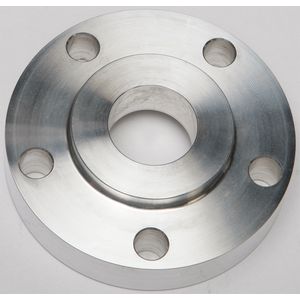
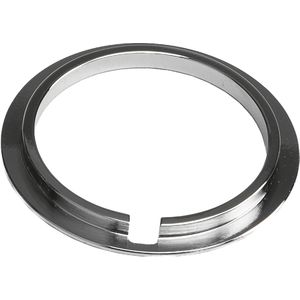
Wheel spacers widen the track to improve low-speed stability, create tire or brake clearance, or change stance for aesthetics, but they must match your bike’s hub and fastener specs precisely to avoid excess bearing wear or loosening.
Which vehicle-specific measurements matter when choosing cruiser wheel spacers?
Match the spacer to your cruiser's bolt/lug pattern, hub bore (hub‑centric design), lug seat type, required thickness range, thread engagement capability, material, and precision/tolerance and finish to prevent vibration and premature wear.
How does spacer thickness affect cruiser handling and component stress?
Thin spacers are suitable for minor clearance and stance tweaks with low added stress, moderate thicknesses provide wider track and stability but increase leverage on bearings and axles, and aggressive thicknesses can significantly alter geometry and risk component failure unless engineered for the change.
What materials and finishes should I choose for cruiser spacers?
Prefer billet aluminum or steel spacers with corrosion‑resistant finishes—billet aluminum offers light weight and corrosion resistance while steel gives added strength; avoid cast parts and look for anodized or coated finishes to reduce galling and corrosion.
What installation and maintenance checks are recommended after fitting spacers to a cruiser?
Have spacers installed or inspected by a qualified mechanic, use appropriate longer studs or high‑strength fasteners when required, apply thread lubricant or locker as specified, and perform an initial run followed by a torque check and periodic inspections for bearing wear, loosened fasteners, and corrosion.