Begin typing to search, when autocomplete results are available use up and down arrows to review and enter to select. Selecting an options will take you to a new page. Touch device users, explore by touch.SEARCH
Search within a riding style, select an optionBegin typing to search, when autocomplete results are available use up and down arrows to review and enter to select. Selecting an options will take you to a new page. Touch device users, explore by touch.
Free shipping on orders over $79 to Illinois
Orders over $79.00 will receive free shipping. This is a residential delivery service, deliveries Monday through Friday from 9:00am to 8:00pm.
Which wheel bearing types work best for cruiser riding?
Sealed ball bearings with strong dynamic load ratings suit most cruisers; choose roller bearings if you carry extra weight or tour heavily. Sealed designs keep maintenance low and rolling smooth.
How do sealed bearings benefit riders in wet or dusty conditions?
Seals keep water and grit out, preserve lubrication, and improve corrosion resistance, extending service life. They’re ideal for rain, road grime, and occasional gravel stretches.
Steel vs ceramic bearings—what should a cruiser rider choose?
Steel bearings offer durable, proven performance for heavier bikes; ceramic options reduce weight and resist corrosion for riders prioritizing low drag. In either case, sealed versions deliver the best longevity.
Any installation tips, especially with custom wheels or axle kits?
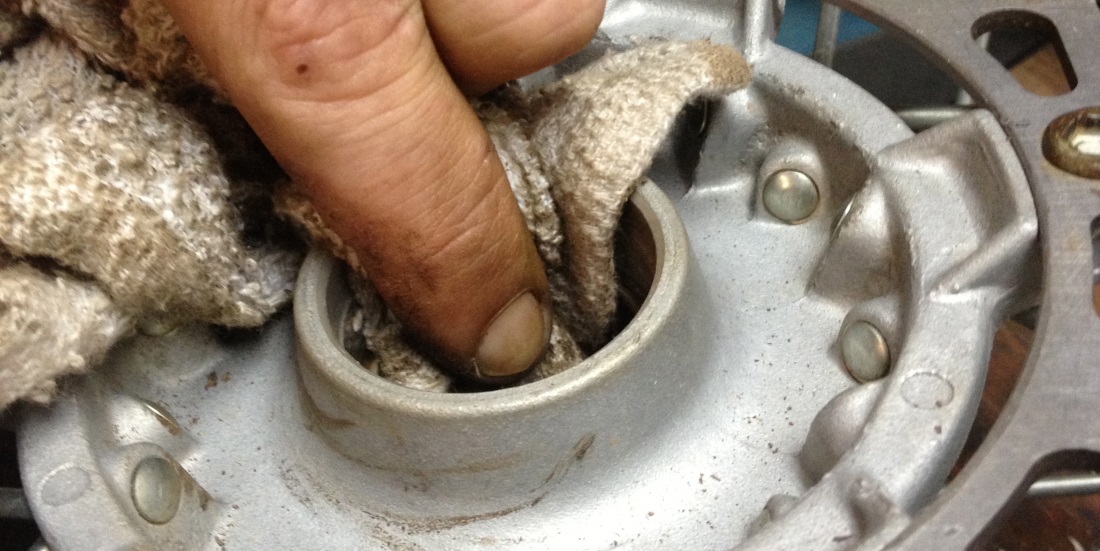
Press bearings squarely and fully seat them, avoid side-loading, and clean hubs and axles before install. With custom wheels or spacers, confirm stack-up and brake alignment spin freely to prevent premature wear.
What maintenance and inspection cues indicate it’s time to replace bearings?
Periodically check for roughness, play, or grinding when the wheel is spun, and replace if seals are damaged or contamination is present. Avoid high-pressure washing at the hub to protect seals and lubrication.