Begin typing to search, when autocomplete results are available use up and down arrows to review and enter to select. Selecting an options will take you to a new page. Touch device users, explore by touch.SEARCH
Search within a riding style, select an optionBegin typing to search, when autocomplete results are available use up and down arrows to review and enter to select. Selecting an options will take you to a new page. Touch device users, explore by touch.
Free shipping on orders over $79 to Illinois
Orders over $79.00 will receive free shipping. This is a residential delivery service, deliveries Monday through Friday from 9:00am to 8:00pm.
Which tie-down style works best for securing a heavy cruiser?
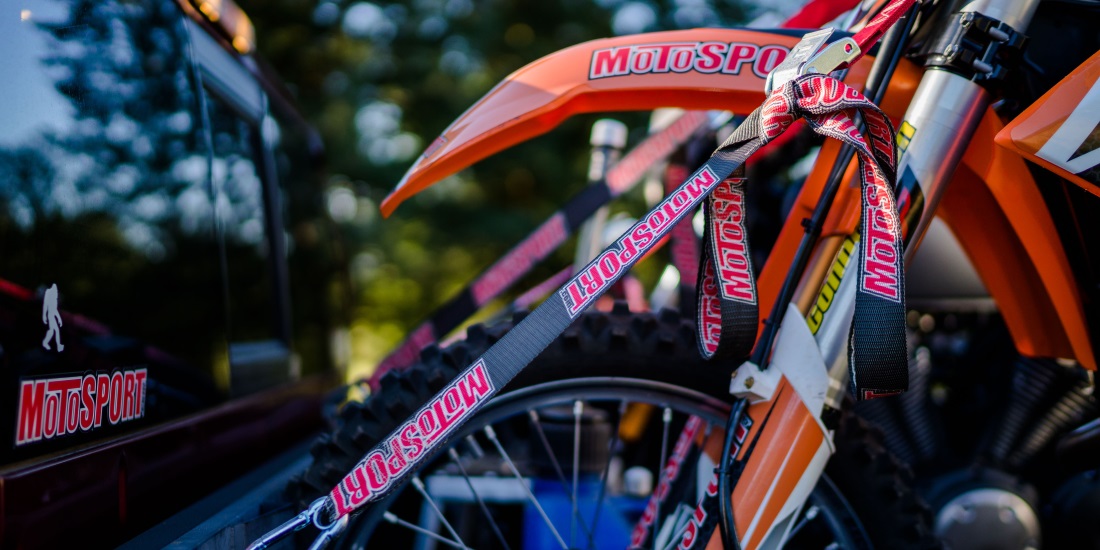
Ratchet straps offer higher tension and security for heavier bikes and long hauls, while cam-buckle straps are faster and simpler for quick loads. Many riders pair cam-buckles up front with ratchets at the rear and add soft loops to protect handlebars.
What materials and hardware help protect chrome and paint on a cruiser?
Choose low-stretch polyester webbing, hooks with rubber or vinyl coating, and soft loops or padded sleeves to keep metal off finished surfaces. Corrosion-resistant hardware is a plus for wet or coastal conditions.
How wide should the straps be for a cruiser?
Wider webbing delivers extra stability and strength for heavier machines, while narrower webbing packs smaller and is easier to handle. Pick the width that matches your bike’s weight and your loading frequency.
How do I secure a cruiser without stressing the suspension or bodywork?
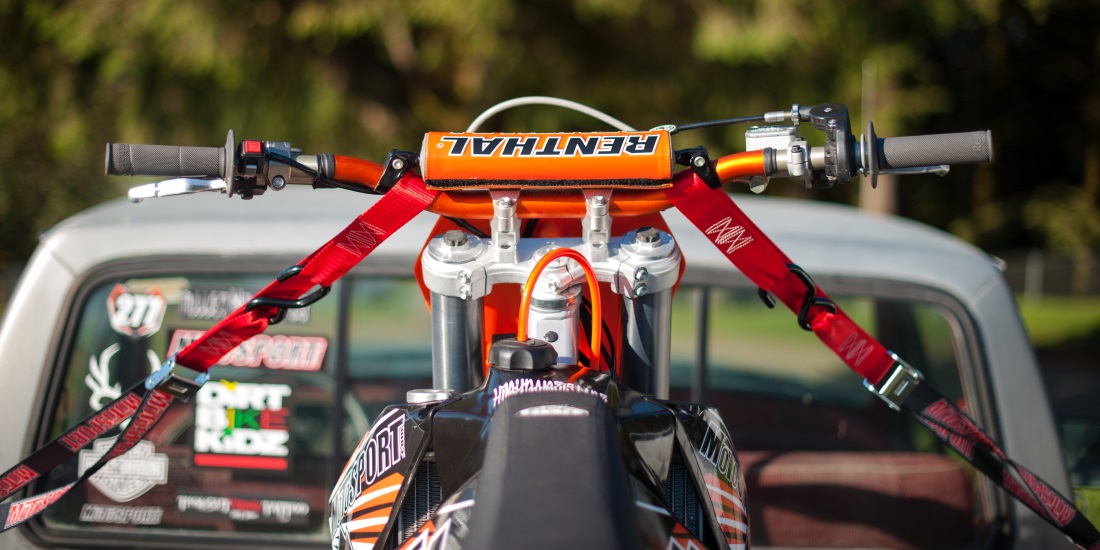
Attach to solid points like the lower triple tree, frame, or a handlebar harness using soft loops, and route straps to avoid sharp edges. Stabilize both front and rear, snug the bike without bottoming the suspension, and recheck tension after a short drive.
What maintenance keeps tie-downs reliable for cruiser transport?
Inspect webbing for frays, UV wear, and compromised stitching, and make sure ratchets or buckles operate smoothly with hooks closing fully. Rinse off grit, dry before storage, keep out of direct sun, and replace at the first sign of damage.