Begin typing to search, when autocomplete results are available use up and down arrows to review and enter to select. Selecting an options will take you to a new page. Touch device users, explore by touch.SEARCH
Search within a riding style, select an optionBegin typing to search, when autocomplete results are available use up and down arrows to review and enter to select. Selecting an options will take you to a new page. Touch device users, explore by touch.
Free shipping on orders over $79 to Illinois
Orders over $79.00 will receive free shipping. This is a residential delivery service, deliveries Monday through Friday from 9:00am to 8:00pm.
Match your bike’s manual kinematic viscosity (cSt at 40°C or 20°C), aiming within +/-5 cSt to preserve damping feel; don’t rely on “W” labels, which vary by brand.
Which suspension-oil specs matter most for cruisers?
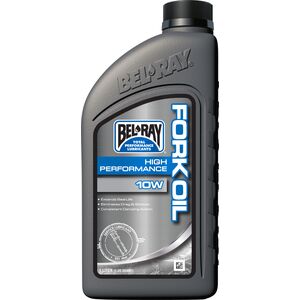
Prioritize high viscosity index (ideally 200+), strong anti-foaming, shear stability/anti-wear, seal compatibility, and thermal stability; synthetics or semi-synthetics maintain consistent feel under heat and load.
How do terrain, load, and weather influence the right oil?
Highway and hot climates favor higher cSt and high-VI blends for fade resistance, rough surfaces may benefit from slightly lower cSt for quicker response, and heavier riders/luggage can step up a few cSt for control.
Can I switch brands or go by 10W/15W/20W on the bottle?
Choose by actual kinematic viscosity—use the same cSt as your spec (or within +/-5 cSt); “W” numbers aren’t standardized across brands.
When should cruiser fork oil be replaced, and any install tips?
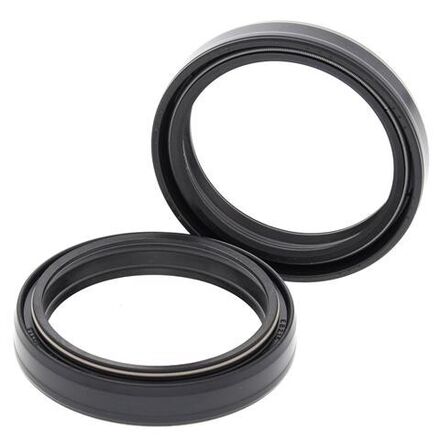
Service when damping fades, fluid turns dark/foamy, or seals weep—earlier in dusty or wet conditions; keep the job clean, use seal-friendly oil, set oil height carefully, and bleed air for smooth action.