Begin typing to search, when autocomplete results are available use up and down arrows to review and enter to select. Selecting an options will take you to a new page. Touch device users, explore by touch.SEARCH
Search within a riding style, select an optionBegin typing to search, when autocomplete results are available use up and down arrows to review and enter to select. Selecting an options will take you to a new page. Touch device users, explore by touch.
Free shipping on orders over $79 to Illinois
Orders over $79.00 will receive free shipping. This is a residential delivery service, deliveries Monday through Friday from 9:00am to 8:00pm.
What should I prioritize when choosing sprocket bolts for a cruiser?
Prioritize high-tensile materials and grades for steady highway torque and vibration resistance, an exact thread and pitch match to your bike, and a bolt length and shoulder that properly clamps the sprocket to the hub rather than bottoming out or leaving insufficient clamping.
Which bolt materials and head styles work best for cruiser sprockets?
Choose alloy steel or chromoly for strength, stainless if corrosion resistance is a priority, and pick flanged or shoulder heads for aluminum hubs or Torx/hex drives for improved torque grip in high-vibration setups.
What aftermarket features help keep sprocket bolts from loosening on cruisers?
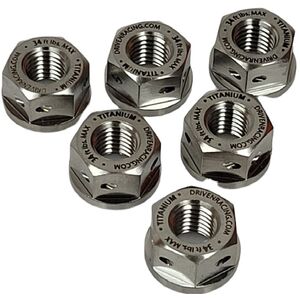
Look for high-tensile bolts paired with locking hardware such as nylon-insert or serrated flange nuts, replace nuts whenever the sprocket is removed, and favor shoulder or flanged designs that center the sprocket and distribute clamping load.
How should I approach installation and maintenance for long-term reliability?
Match bolt length and shoulder to sprocket and hub thickness during installation, tighten to the motorcycle manufacturer’s specifications, and regularly inspect for looseness or corrosion as part of routine maintenance.
How do common cruiser upgrades affect which sprocket bolts I should buy?
Upgrades that increase torque, add sprocket thickness, or swap to aluminum carriers usually call for higher-strength bolts, proper shoulder length, and flanged or centered designs, while coastal or wet-weather riding favors stainless finishes for corrosion protection.