Begin typing to search, when autocomplete results are available use up and down arrows to review and enter to select. Selecting an options will take you to a new page. Touch device users, explore by touch.SEARCH
Search within a riding style, select an optionBegin typing to search, when autocomplete results are available use up and down arrows to review and enter to select. Selecting an options will take you to a new page. Touch device users, explore by touch.
Free shipping on orders over $79 to Illinois
Orders over $79.00 will receive free shipping. This is a residential delivery service, deliveries Monday through Friday from 9:00am to 8:00pm.
What shoulder armor certification should I look for in cruiser jackets?
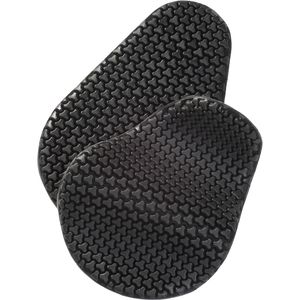
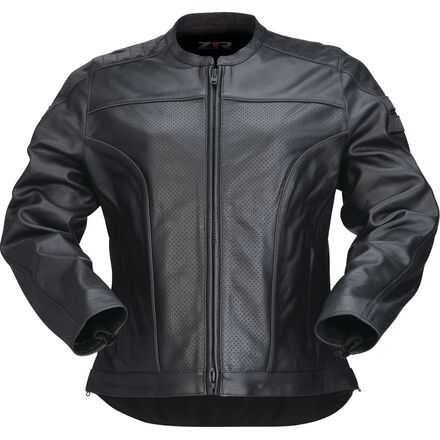
Look for CE-rated EN1621-1:2012 type S shoulder armor — Level 2 gives superior impact protection (it transmits roughly half the impact force of Level 1) and also boosts garment abrasion resistance, though it can be bulkier than Level 1.
How do materials like D3O or Halvarssons affect shoulder protection and comfort?
Choose flexible compounds like D3O (including thin Ghost variants) or breathable Halvarssons Level 2 panels for a balance of impact performance and comfort, ensuring the armor warms and stiffens on impact without overly restricting movement.
For cruiser and highway riding, which CE level is the best choice?
Cruiser riders who prioritize comfort can use Level 1 for daily commuting, but Level 2 is recommended for higher-speed or group rides because it offers better impact and abrasion protection despite added bulk.
How simple is it to install or upgrade shoulder armor in a cruiser jacket?
Most upgrades slip into dedicated shoulder pockets — check that the armor matches the pocket size and shape, sits without shifting, and consider modular systems (like layered inserts) for seasonal flexibility and easy back-armor pairing.
What maintenance and durability cues should I expect from shoulder armor?
Level 2 armor tends to be more durable and helps the jacket resist abrasion; follow jacket care guidelines, avoid harsh solvents, and regularly check armor pockets and panels for secure fit or damage to keep protection reliable.