Begin typing to search, when autocomplete results are available use up and down arrows to review and enter to select. Selecting an options will take you to a new page. Touch device users, explore by touch.SEARCH
Search within a riding style, select an optionBegin typing to search, when autocomplete results are available use up and down arrows to review and enter to select. Selecting an options will take you to a new page. Touch device users, explore by touch.
Free shipping on orders over $79 to Illinois
Orders over $79.00 will receive free shipping. This is a residential delivery service, deliveries Monday through Friday from 9:00am to 8:00pm.
Check your tire sidewall for TT or TL; TT tires and most spoke rims need tubes (use a rim band to protect against spoke ends), while TL alloy rims do not and should avoid tubes. This prevents issues like rapid deflation during a puncture on TL setups.
What tube thickness is best for street riding?
Choose standard-duty tubes for paved-road cruisers to keep weight and heat down while maintaining ride comfort. Heavy and ultra-heavy options are aimed at off-road puncture resistance, not street use.
How do I pick the correct tube size?
Match the tube to your tire’s listed width and rim diameter, choosing the closest size to avoid pinches, overinflation, or poor performance. Confirm against your owner’s manual for safety.
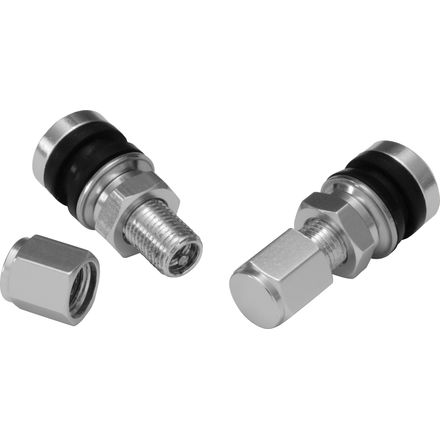
Which valve stem should I choose for cruiser wheels?
Angled/90-degree valves make pressure checks easier on many cruiser rims; match the stem style and hole type on your wheel. Use straight stems only if your rim design or access requires it.
Butyl vs. natural rubber—what’s better for cruisers?
Butyl rubber offers strong air retention, heat resistance, and low maintenance—ideal for street miles. Natural rubber can feel more supple but generally isn’t necessary for typical cruiser pavement use.