Begin typing to search, when autocomplete results are available use up and down arrows to review and enter to select. Selecting an options will take you to a new page. Touch device users, explore by touch.SEARCH
Search within a riding style, select an optionBegin typing to search, when autocomplete results are available use up and down arrows to review and enter to select. Selecting an options will take you to a new page. Touch device users, explore by touch.
Free shipping on orders over $79 to Illinois
Orders over $79.00 will receive free shipping. This is a residential delivery service, deliveries Monday through Friday from 9:00am to 8:00pm.
Which materials are best for cruiser glove liners in cold highway riding?
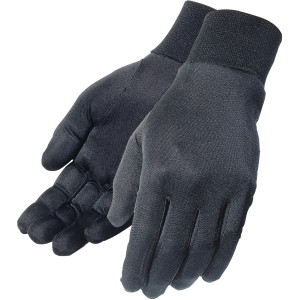
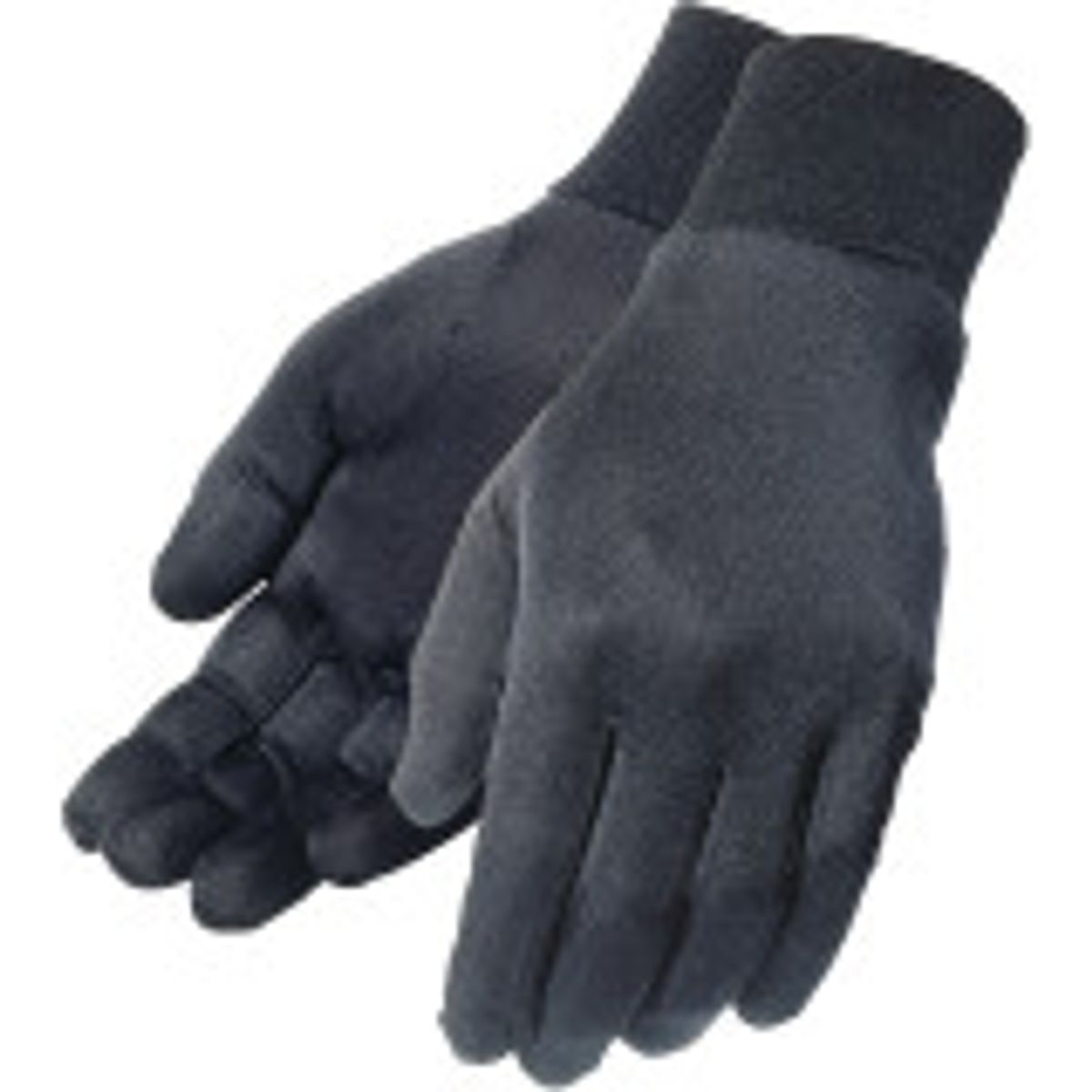
Choose merino wool, Thinsulate, fleece, or lightweight synthetics like Thermolite/polyester for high warmth with minimal bulk; they layer smoothly under leather gloves to cut wind chill.
How should cruiser glove liners fit for control and comfort?
They should be snug but flexible—no bunching and no tightness that restricts blood flow—so you can make a fist and operate levers cleanly under your outer gloves.
What liner fabrics work best for wet, windy, or variable weather?
For rain and wind, pick windproof/waterproof synthetics (e.g., Gore‑Tex or treated fabrics) and pair with leather outers; for variable conditions, breathable polyester/polypropylene manages sweat, while thick wool or Thinsulate maximizes warmth in dry cold.
Are glove liners compatible with heated grips or long touring days?
Yes—thin, breathable liners (silk or light synthetics) transmit heat and preserve feel on the controls, while Thinsulate/fleece options suit extended cold highway miles without added bulk; avoid overly thick liners that dull grip feedback.
How do I care for and maintain glove liners to extend their life?
Wash gently according to fabric (cool water, mild detergent), avoid high heat, and air dry to protect loft and elasticity; store dry and inspect seams/stitching so they’re ready for the next ride.