Begin typing to search, when autocomplete results are available use up and down arrows to review and enter to select. Selecting an options will take you to a new page. Touch device users, explore by touch.SEARCH
Search within a riding style, select an optionBegin typing to search, when autocomplete results are available use up and down arrows to review and enter to select. Selecting an options will take you to a new page. Touch device users, explore by touch.
Free shipping on orders over $79 to Illinois
Orders over $79.00 will receive free shipping. This is a residential delivery service, deliveries Monday through Friday from 9:00am to 8:00pm.
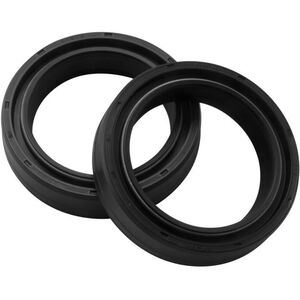
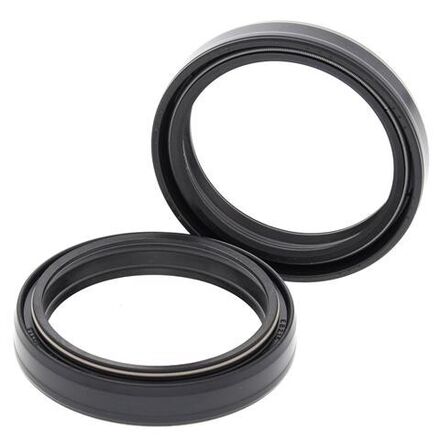
Double-lipped seals provide reliable oil retention and contamination protection for typical cruiser street use, while three-lip seals with springs are used for higher-pressure or performance setups that need extra sealing.
How do riding conditions affect my fork seal choice for a cruiser?
Street and highway use is well-served by standard seals; coastal or humid environments benefit from stainless-steel-spring seals to resist corrosion, and double-lip designs help keep water and road grime out in wet conditions.
What installation and compatibility points should I check before buying fork seals?
Confirm the seals are specified for conventional fork geometry and the correct shaft diameter, and plan for proper alignment, clean stanchions, and fresh wipers during installation to maximize seal life.
Which materials or certifications indicate a higher-quality fork seal?
Look for seals made to DIN 3760 with low-friction compounds and stainless-steel springs; trusted-brand seals like SKF are known for longer service life and reduced friction.
How should I maintain cruiser fork seals to extend service life and prevent leaks?
Keep stanchions clean and free of nicks or corrosion, avoid blasting seals with high-pressure washers, inspect wipers regularly, and replace seals whenever you service the forks to prevent repeat labor.