Begin typing to search, when autocomplete results are available use up and down arrows to review and enter to select. Selecting an options will take you to a new page. Touch device users, explore by touch.SEARCH
Search within a riding style, select an optionBegin typing to search, when autocomplete results are available use up and down arrows to review and enter to select. Selecting an options will take you to a new page. Touch device users, explore by touch.
Free shipping on orders over $79 to Illinois
Orders over $79.00 will receive free shipping. This is a residential delivery service, deliveries Monday through Friday from 9:00am to 8:00pm.
How should cruiser riders choose fork components for their riding style and conditions?
Match spring rate to your weight and typical load, pick damping that suits smooth highways or rough city streets, and consider larger stanchion diameters for added stability under braking. Avoid parts with scratched stanchions or missing dust seals.
Which adjustability features are most useful on a cruiser?
Rebound and compression damping let you fine-tune comfort versus control, especially when switching between solo rides, two-up, or added luggage. Quick adjustments help smooth out choppy pavement without sacrificing stability.
What materials and seal/bushing quality should I look for?
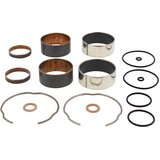
Choose high-quality oil and dust seals and guide bushes with low-friction PTFE contact surfaces; hardened steel with copper coating or bronze bushings improve durability and reduce stiction. Quality sealing keeps contaminants out and oil in for longer service life.
How do fork upgrades interact with common cruiser mods?
Extra weight from luggage, fairings, or big brake kits may call for firmer springs and more controlled damping. Ensure adequate clearance around fenders and calipers, and remember wheel/tire or ride-height changes can alter steering feel, so select components that preserve balanced geometry.
What should I expect for installation and maintenance?
Most fork component installs are manageable for experienced home mechanics but may require specialty tools and careful alignment. After installation, check for smooth travel and leaks, keep stanchions clean, and refresh oil and seals at sensible intervals to maintain performance.