Begin typing to search, when autocomplete results are available use up and down arrows to review and enter to select. Selecting an options will take you to a new page. Touch device users, explore by touch.SEARCH
Search within a riding style, select an optionBegin typing to search, when autocomplete results are available use up and down arrows to review and enter to select. Selecting an options will take you to a new page. Touch device users, explore by touch.
Free shipping on orders over $79 to Illinois
Orders over $79.00 will receive free shipping. This is a residential delivery service, deliveries Monday through Friday from 9:00am to 8:00pm.
What does a drive cover do on a cruiser, and how should I choose one?
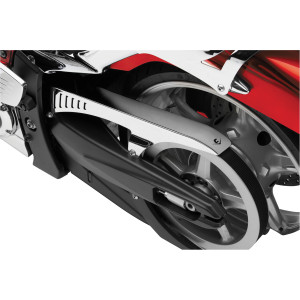
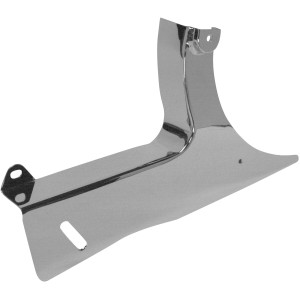
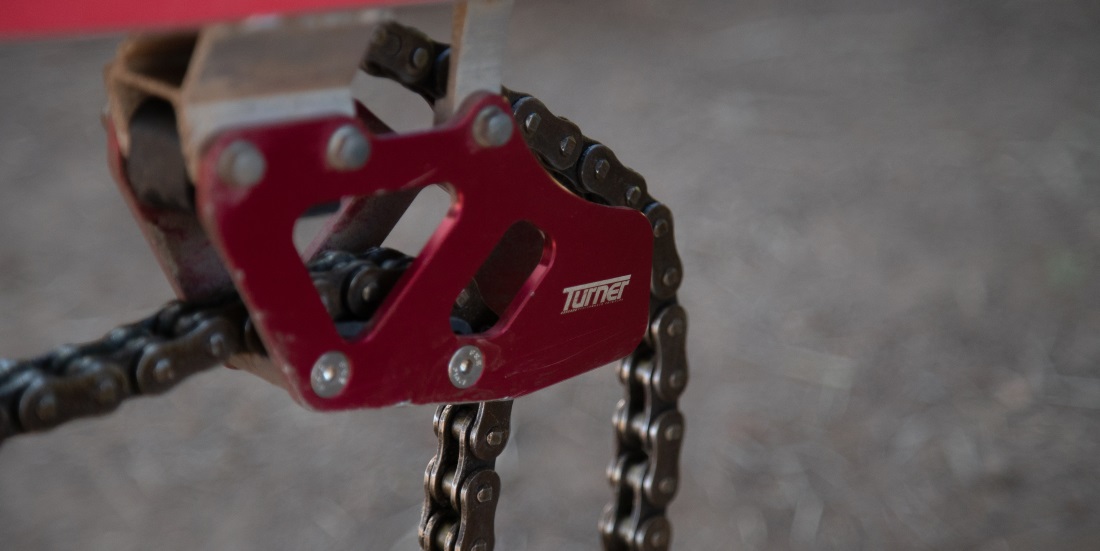
It shields your belt or chain from debris and splash, helps keep clothing clear of moving parts, and adds style—choose coverage level (short, mid, or full), weight, and finish to match your riding conditions and look.
Which materials and finishes are best for durability and style on cruisers?
Billet aluminum or stainless steel deliver strength and corrosion resistance, while ABS/composite saves weight; finishes like chrome, black anodize, or powder coat provide weather protection—pick UV- and corrosion-resistant coatings for wet or coastal riding.
Should I pick a vented/open cover or a full-coverage guard?
Vented or cutaway designs improve airflow and show more of the driveline, while full-coverage guards offer maximum debris and splash protection for daily commuting, touring, or gravel-prone routes.
How easy is installation, and what should I check on a cruiser setup?
Most are bolt-on with stock mounts—verify belt/chain alignment remains true, ensure clearance at the swingarm, tire, and pulleys, and check for room around floorboards, saddlebag supports, and lowering kits before tightening everything down.
What maintenance keeps a cruiser drive cover performing well long-term?
Periodically clean with mild soap, inspect hardware for loosening, and look for rub marks after suspension cycles; recheck clearances after tire, pulley, or exhaust changes to prevent contact and finish damage.