Begin typing to search, when autocomplete results are available use up and down arrows to review and enter to select. Selecting an options will take you to a new page. Touch device users, explore by touch.SEARCH
Search within a riding style, select an optionBegin typing to search, when autocomplete results are available use up and down arrows to review and enter to select. Selecting an options will take you to a new page. Touch device users, explore by touch.
Free shipping on orders over $79 to Illinois
Orders over $79.00 will receive free shipping. This is a residential delivery service, deliveries Monday through Friday from 9:00am to 8:00pm.
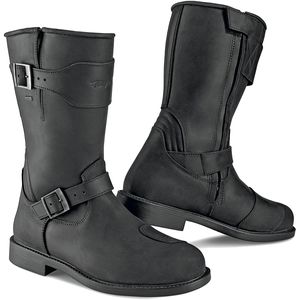
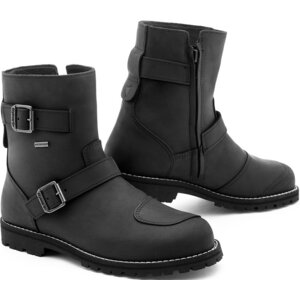
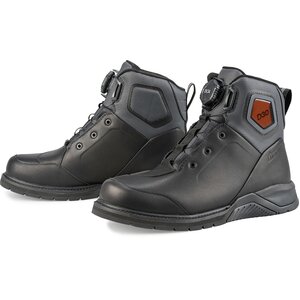
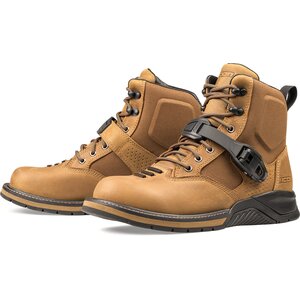
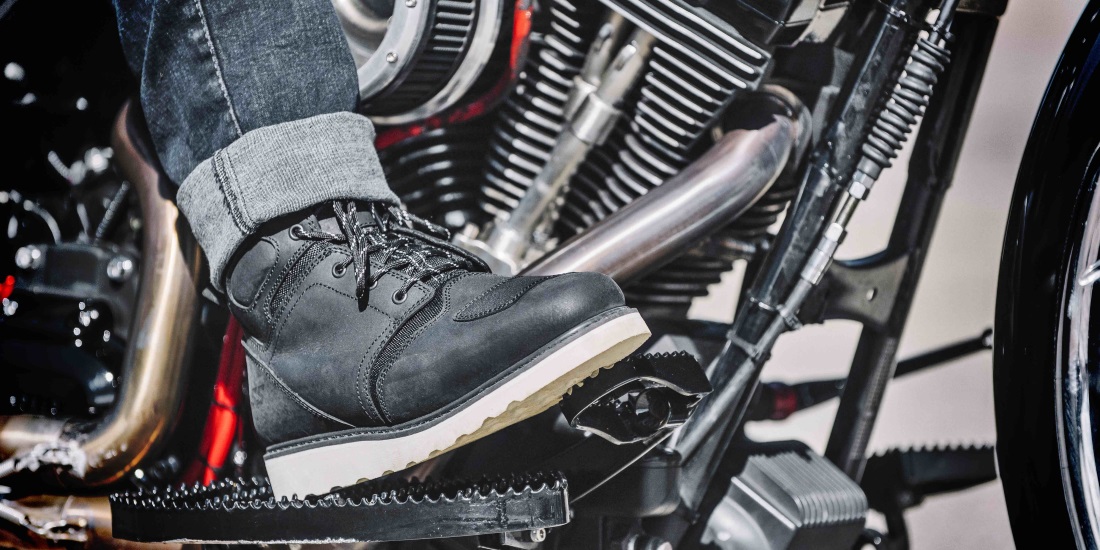
They’re built for cruiser ergonomics with mid-to-high shafts for ankle/partial shin coverage, oil-resistant soles for pavement grip, and heat shields on the inner leg to guard hot exhaust; prioritize CE Level 1 or 2 protection for verified impact and abrasion performance.
How do I choose the right shaft height and calf fit?
Go for at least ankle coverage—ideally mid-calf—to protect from tips, pipes, and controls, and check calf circumference so pants tuck or overlap comfortably; pick secure closures (zips, buckles, or laces) that stay put yet allow quick on/off.
Which sole and protection features help on long pavement rides?
Choose an oil- and water-resistant sole with a rigid shank and grippy tread for peg comfort and walking, plus stitched (replaceable) construction for durability; add reinforced toe/heel boxes, ankle/shin inserts, and heat-resistant panels on the medial side.
Waterproof or vented—what should I pick for cruiser use?
Select a waterproof membrane for frequent rain and cool commutes, or breathable/vented liners for hot-weather touring; many riders use different pairs to match seasonal conditions.
Can I wear cruiser boots for dirt or sport riding?
They’re optimized for street comfort, heat shielding, and pavement traction, not for aggressive off-road or high-speed sport use—choose discipline-specific boots for those environments.